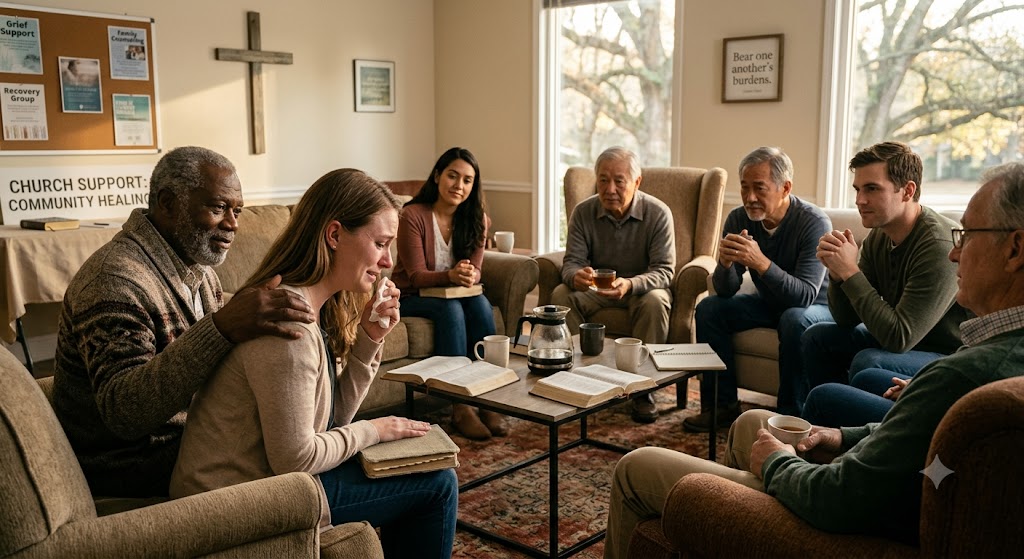
 Recovery is one of the most rewarding journeys a person can take, but it is rarely an easy one. There are moments of hope and progress, along with seasons of doubt, emotional pain, and unexpected challenges. Whether you are recovering from alcohol or drug addiction, or managing both substance use and mental health concerns, it is normal to experience obstacles along the way. The good news is that you do not have to face them alone. Professional addiction recovery services provide the clinical care needed to overcome addiction, while a supportive church community can offer encouragement, accountability, and hope that strengthens your commitment to healing.
Faith based support is most effective when it works alongside evidence based treatment. Together, these resources create a holistic approach that helps individuals heal physically, emotionally, mentally, and spiritually.
Why Recovery Can Feel So Challenging
Recovery involves much more than stopping substance use. It requires learning new coping skills, repairing relationships, managing emotional triggers, and creating healthier routines. Many individuals also experience anxiety, depression, trauma, or other mental health conditions that make recovery more complex.
Even after completing inpatient treatment or beginning outpatient care, life continues to present challenges. Stress, loneliness, and unexpected setbacks can test a person’s resolve. Having a strong support system during these moments is one of the most important factors in long term recovery.
How Church Support Strengthens the Recovery Journey
Church communities offer more than spiritual encouragement. They provide practical support, meaningful relationships, and a sense of belonging that can make recovery feel less overwhelming.
A Community That Replaces Isolation
Addiction often leads to isolation. Many people distance themselves from loved ones because of shame, guilt, or fear of being judged. Unfortunately, isolation can increase emotional distress and make relapse more likely.
A compassionate church community helps break this cycle by creating opportunities for genuine connection. Being surrounded by people who offer acceptance and encouragement reminds individuals that they are not defined by their addiction and that they are not alone in their recovery.
Encouragement During Difficult Seasons
Recovery is rarely a straight path. There may be moments when motivation feels low or personal challenges seem overwhelming. During these times, encouragement from a trusted community can make a significant difference.
Church members, pastors, and recovery mentors can offer prayer, guidance, and practical support that helps individuals remain focused on their long term goals. Sometimes, simply knowing that someone genuinely cares can provide the strength needed to keep moving forward.
Healthy Accountability
Long term recovery often depends on consistent accountability. Having trusted individuals who encourage healthy choices and celebrate progress helps reinforce positive habits.
Many churches offer recovery ministries, small groups, or mentorship programs where individuals can discuss challenges honestly and receive encouragement without fear of judgment. Accountability within a caring community supports the work being done in professional treatment.
Partnering Faith with Professional Addiction Treatment
Church support is valuable, but it is not a substitute for professional addiction treatment. Addiction is a medical and psychological condition that often requires comprehensive care from trained professionals.
Individualized Treatment Creates Better Outcomes
Every recovery journey is unique. Some individuals benefit from medically supervised inpatient treatment that provides intensive care and a structured environment. Others achieve success through outpatient programs that allow them to continue treatment while managing work, school, or family responsibilities.
Individualized treatment plans address each person’s specific needs, including co-occurring mental health conditions, trauma, and relapse prevention strategies.
Mental Health Care Is an Essential Part of Recovery
Mental health challenges frequently occur alongside addiction. Anxiety, depression, post traumatic stress, and unresolved emotional pain can contribute to substance use if left untreated.
Professional counseling and therapy help individuals understand these underlying issues while developing healthier coping strategies. Church communities can reinforce this healing by encouraging emotional openness, compassion, and continued participation in treatment.
Practical Ways Churches Can Support Recovery
Churches can make a meaningful impact by offering practical forms of support that extend beyond weekly services.
Recovery Focused Small Groups
Support groups create safe environments where individuals can share experiences, celebrate progress, and encourage one another through challenges.
Mentorship Programs
Experienced mentors provide guidance, accountability, and compassionate listening. These relationships often become valuable sources of stability throughout recovery.
Family Education
Addiction affects entire families. Churches can offer educational workshops and support groups that help loved ones better understand addiction, recovery, and healthy communication.
Opportunities to Serve Others
Volunteering within the church helps individuals rebuild confidence, develop purpose, and establish healthy routines. Serving others also reinforces personal growth and strengthens community connections.
A Holistic Approach to Healing
Lasting recovery involves healing every area of life. Holistic care recognizes the importance of physical health, emotional wellness, spiritual growth, and supportive relationships.
Professional addiction recovery services provide evidence based treatment that addresses the physical and psychological aspects of addiction. Faith communities strengthen this work by offering hope, encouragement, fellowship, and opportunities for personal growth.
When these approaches are combined, individuals are better equipped to navigate life’s challenges while building a healthier future.
Keep Moving Forward with Hope
Recovery may feel difficult at times, but every step forward matters. Challenges do not erase progress, and setbacks do not define the future. With the right support system, healing becomes more sustainable and hope becomes stronger.
If you or someone you love is struggling with addiction or co-occurring mental health challenges, consider reaching out for professional help while also connecting with a supportive church community. Evidence based treatment, individualized care, and compassionate faith based support can work together to create a strong foundation for lasting recovery.
You do not have to carry this burden alone. Healing is possible, hope is real, and with the right people beside you, the path to recovery becomes one you can continue with confidence.