Monthly Archives: August 2026

When Addiction Feels Overwhelming: How Your Church Can Help You Find Support and Hope

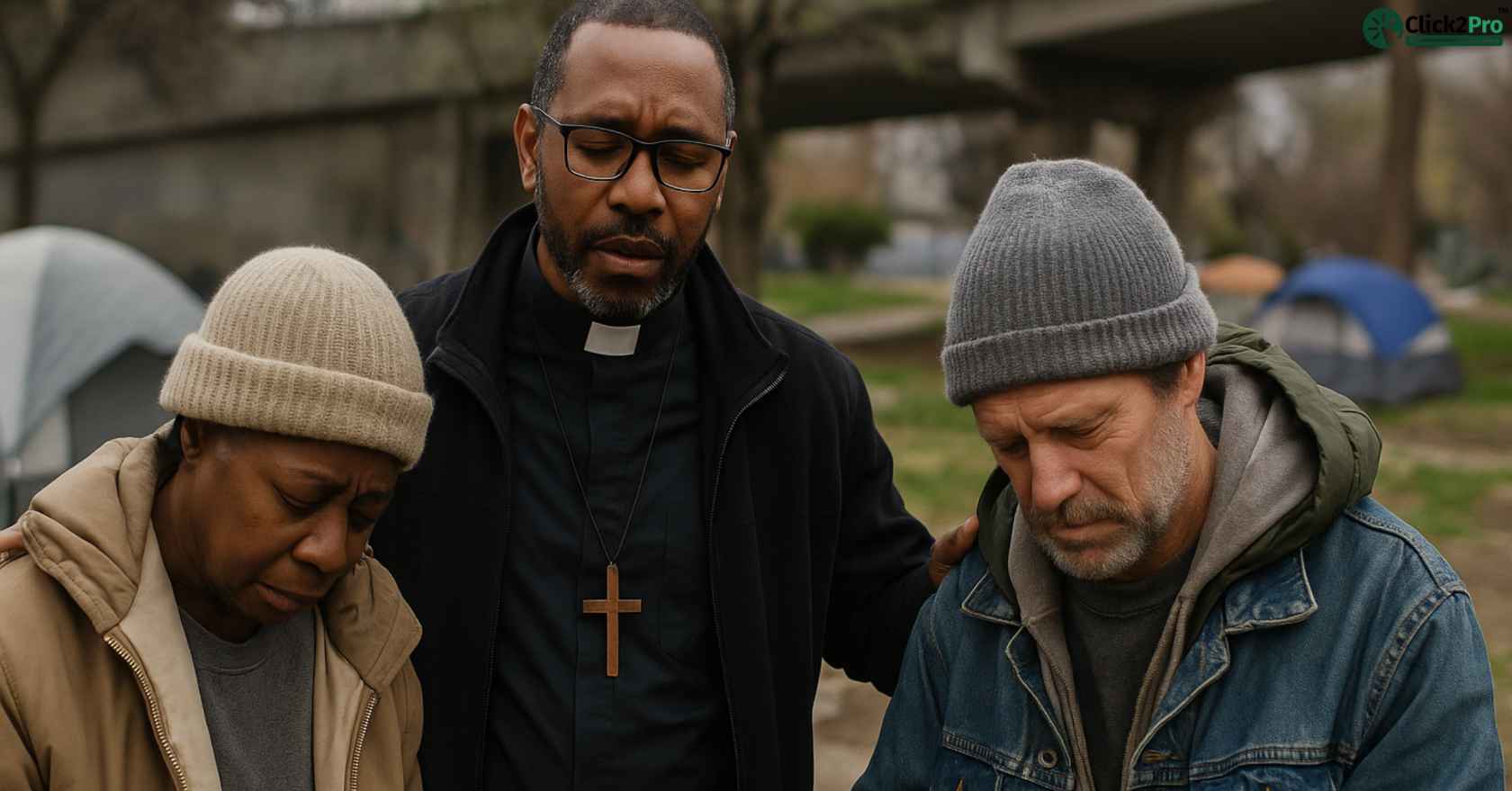
When addiction begins to affect your health, relationships, faith, and sense of purpose, it can feel as though the struggle is simply too much to carry. Yet asking for help can be the beginning of meaningful change. Professional addiction treatment provides the clinical support needed to address substance use and related mental health concerns, while a compassionate church community can offer something equally important for many people: connection, encouragement, accountability, and hope. When these sources of support work together, individuals can build a stronger foundation for lasting recovery.

Faith does not have to stand apart from professional addiction recovery. Instead, spiritual support can complement individualized treatment, counseling, inpatient or outpatient care, and holistic approaches that address the whole person.

Why Addiction Can Feel So Overwhelming

Addiction rarely affects only one area of life. Substance use can influence physical health, emotional stability, family relationships, work, finances, and mental wellness. As these problems accumulate, a person may begin to feel trapped or hopeless.

Shame Can Make It Hard to Ask for Help

Many people struggling with addiction experience shame about their behavior or the consequences of substance use. They may worry about disappointing their family or being judged by friends and members of their community.

Unfortunately, shame can encourage isolation. The more isolated someone becomes, the harder it may be to reach out for support.

A healthy church community can help challenge that isolation by offering acceptance and reminding individuals that their struggles do not define their entire identity.

Mental Health Challenges May Add to the Burden

Addiction and mental health concerns frequently occur together. Depression, anxiety, trauma, grief, and chronic stress can make substance use more difficult to overcome.

For this reason, effective recovery should address mental health as well as addiction. Professional mental health treatment can help individuals understand underlying concerns, develop healthier coping skills, and work toward greater emotional stability.

Church support can complement this process by encouraging individuals to seek appropriate professional care while providing compassion throughout the journey.

How Your Church Can Support Addiction Recovery

A church can become a valuable part of an individual’s recovery network. Its role should not be to replace professional treatment, but to provide meaningful support between appointments and throughout everyday life.

Creating a Community Where You Feel Welcome

Recovery can be difficult when you feel that nobody understands what you are experiencing. A supportive church can provide a place where you are treated with dignity rather than defined by your past.

Worship services, small groups, recovery ministries, and community activities can create opportunities to develop healthy relationships. Over time, these connections can reduce isolation and help individuals feel that they belong somewhere.

That sense of belonging can be especially valuable when someone is rebuilding their social network after addiction.

Providing Encouragement When Motivation Is Low

Recovery does not always feel inspiring. There may be days when cravings, stress, difficult memories, or personal setbacks make it tempting to give up.

Trusted members of a church community can provide encouragement during those moments. A conversation with a mentor, a supportive friend, or a faith leader can remind someone that one difficult day does not erase their progress.

Consistent encouragement can make it easier to keep attending treatment, practicing healthy coping skills, and staying committed to recovery goals.

Offering Healthy Accountability

Accountability is another practical benefit of community support. A trusted person can check in, listen, and encourage someone to follow through with commitments.

Healthy accountability is not about punishment or judgment. It is about having someone who cares enough to notice when you are struggling and encourage you to reach out before a difficult situation becomes a crisis.

This support works best when it complements the guidance of qualified addiction and mental health professionals.

Faith and Professional Treatment Can Work Together

Individuals should not have to choose between faith based support and professional addiction treatment. These resources can serve different but complementary purposes.

Inpatient Treatment Can Provide a Structured Beginning

Some individuals need the stability and intensity of inpatient care when beginning recovery. A structured treatment environment can provide consistent professional support while helping individuals step away from substances, unhealthy routines, and immediate triggers.

During this stage, church members can offer appropriate encouragement and maintain supportive relationships when welcomed by the individual and treatment team.

Outpatient Treatment Can Help Build Everyday Recovery Skills

Outpatient care allows individuals to receive professional counseling and treatment while continuing to manage responsibilities such as work, school, or family life.

This stage can be challenging because individuals are practicing recovery skills in the same environments where old habits may have developed.

A supportive church can provide healthy activities, positive relationships, mentorship, and opportunities for service that reinforce the progress made through treatment.

Practical Ways Your Church Can Help

Church support becomes especially valuable when it moves beyond general encouragement and provides meaningful opportunities for connection.

Connect You With Professional Resources

Church leaders and members can encourage individuals to seek licensed addiction counselors, mental health professionals, treatment programs, and other appropriate resources.

Faith should never be used as a reason to avoid professional care. Instead, it can provide motivation to pursue healing.

Offer Recovery Focused Groups

Support groups can give individuals a place to share experiences and learn from others who understand the challenges of recovery. Faith based groups can incorporate spiritual principles while maintaining a compassionate and nonjudgmental environment.

Provide Mentorship

A trusted mentor can become a consistent source of encouragement and accountability. Mentorship is most effective when boundaries are respected and the mentor understands that professional treatment remains essential.

Support the Family

Addiction affects families, too. Loved ones may need education, emotional support, and guidance as they learn how to establish healthy boundaries and rebuild trust.

Churches can provide family support groups, educational resources, and referrals to professional counseling when appropriate.

Create Opportunities for Service

Recovery involves rediscovering purpose. Serving others can help individuals build confidence, establish healthy routines, and recognize that they have something valuable to contribute.

Volunteer opportunities can also provide positive social connections that replace unhealthy environments.

A Holistic Approach to Healing

Recovery is about more than stopping substance use. It involves rebuilding a healthier life.

A holistic approach considers physical health, mental wellness, emotional resilience, relationships, spirituality, and purpose. Professional addiction recovery services can address the clinical needs associated with substance use and mental health. Church communities can provide connection, fellowship, encouragement, and opportunities for spiritual growth.

When these forms of support are coordinated thoughtfully, individuals can receive care that recognizes the complexity of their experiences.

What to Do When You Feel Overwhelmed

If addiction feels overwhelming, you do not need to solve everything at once. Start with one step.

Talk honestly with someone you trust. Contact a qualified addiction treatment professional. If you are already receiving care, tell your treatment team when you are struggling. Consider connecting with a compassionate church community that respects your recovery goals and encourages professional treatment.

Most importantly, do not allow shame to convince you that you have to struggle alone.

Finding Support and Hope

Addiction can make the future look uncertain, but your current circumstances do not have to determine what comes next. With individualized addiction treatment, mental health support, holistic care, and a compassionate community around you, recovery can become a realistic path forward.

A church can offer a place to belong when isolation feels easier, encouragement when motivation begins to fade, and accountability when staying focused becomes difficult. Professional treatment provides the expertise and structure needed to address addiction and mental health concerns, while faith and community can help sustain hope throughout the process.

If you or someone you love is struggling with addiction, consider reaching out today. You do not have to have every answer before asking for help. One conversation can become the first step toward healing, renewed purpose, and a healthier future.

From Struggle to Restoration: How Faith Communities Help Individuals Heal from Addiction and Find Purpose

Addiction can leave people feeling disconnected from themselves, their families, their faith, and the future they once imagined. Yet recovery can open the door to something more than sobriety. With compassionate addiction treatment, mental health support, and a community that believes in restoration, individuals can begin rebuilding their lives and discovering a renewed sense of purpose. For people who value faith, a supportive church community can become an important part of that process by providing encouragement, belonging, accountability, and opportunities to serve others.

Faith communities should not replace professional addiction treatment. Instead, they can complement individualized care by offering support that continues beyond the treatment setting. When professional counseling, inpatient or outpatient services, holistic approaches, and faith based community support work together, individuals have more resources to address the many dimensions of recovery.

Understanding the Journey From Addiction to Restoration

Addiction is more than a pattern of substance use. It can affect physical health, emotional well being, relationships, employment, finances, and mental health. Over time, individuals may begin to believe that their mistakes have permanently changed who they are.

Recovery challenges that belief.

Healing gives individuals an opportunity to understand their experiences, address the factors contributing to addiction, and develop healthier ways of coping with stress and difficult emotions. Professional treatment provides the structure and expertise necessary for this work. A supportive faith community can then reinforce those changes by helping individuals experience acceptance and connection in everyday life.

Restoration does not mean pretending that the past never happened. It means learning from the past while building a healthier future.

How Faith Communities Support Addiction Recovery

A healthy church community can contribute to recovery in practical and meaningful ways. Its role is not simply to offer encouragement during difficult moments. It can help individuals establish relationships, develop accountability, and rediscover their value and purpose.

Creating a Sense of Belonging

Isolation is common during addiction. Shame can cause individuals to withdraw from people who care about them, while unhealthy relationships may become increasingly central to their lives.

A welcoming faith community can provide a healthier alternative.

Church gatherings, small groups, volunteer opportunities, and recovery ministries allow individuals to develop relationships based on mutual respect and shared values. Feeling welcomed can reduce loneliness and remind a person that they are more than their addiction.

Belonging is especially important during early recovery, when individuals may be rebuilding their social lives and learning how to establish healthy boundaries.

Providing Compassionate Accountability

Accountability can help individuals remain focused on recovery goals. However, effective accountability should never be based on shame or condemnation.

Trusted church mentors and supportive friends can encourage individuals to follow through with treatment, maintain healthy routines, and reach out when they are struggling. They can also celebrate progress and remind individuals that setbacks do not erase the work they have already accomplished.

This type of accountability works best alongside professional care. Therapists and treatment providers address clinical concerns, while trusted members of a faith community can provide additional encouragement in daily life.

Connecting Faith With Professional Addiction Treatment

Faith can be an important source of meaning and hope, but addiction often requires professional intervention. A comprehensive recovery plan may include counseling, behavioral therapies, medical support, relapse prevention strategies, and treatment for co-occurring mental health concerns.

Inpatient Care Can Provide Stability

For some individuals, inpatient treatment offers the structured environment needed to begin recovery safely. A residential setting can provide consistent professional support while helping individuals step away from triggers, substance use, and unhealthy routines.

During this stage, church support can remain valuable when it respects the individual’s treatment plan. Encouraging messages, family involvement when appropriate, and continued prayer can provide emotional and spiritual support without interfering with clinical care.

Outpatient Care Supports Continued Growth

Outpatient treatment can help individuals continue receiving professional support while returning to work, family responsibilities, or other aspects of daily life.

This transition can bring new challenges. Stress, social situations, and familiar environments may test newly developed coping skills.

A supportive faith community can help create positive routines during this stage. Regular fellowship, mentorship, and service opportunities can provide structure while strengthening healthy connections.

Addressing Mental Health Alongside Addiction

Mental health treatment is an important part of comprehensive addiction recovery. Depression, anxiety, trauma, grief, and other emotional challenges can contribute to substance use or make recovery more difficult.

Ignoring these concerns can leave individuals vulnerable to returning to old coping patterns.

Professional mental health treatment helps people understand their emotional experiences and develop healthier strategies for managing them. A compassionate faith community can complement this work by reducing stigma and encouraging individuals to seek the help they need.

Faith and professional mental health care do not have to compete. For many individuals, spiritual beliefs and clinical treatment can work together as parts of a broader approach to healing.

Finding Purpose After Addiction

One of the most powerful parts of recovery is discovering that life can become about more than avoiding substances. Individuals can begin asking important questions about who they want to become and how they want to contribute to the lives of others.

Faith communities can provide meaningful opportunities to explore those questions.

Serving Others

Volunteering can help individuals rebuild confidence and develop a sense of responsibility. Serving others also shifts attention away from past mistakes and toward positive contributions in the present.

Whether someone helps with a community project, supports a church ministry, or simply assists another person in need, service can reinforce the idea that their life has value.

Developing New Healthy Routines

Purpose often grows through consistent action. Attending worship services, participating in a small group, volunteering, exercising, working, and maintaining treatment appointments can create structure.

Healthy routines reduce idle time and provide opportunities to practice the skills developed during treatment.

Rebuilding Relationships

Restoration also involves relationships. Addiction can damage trust, and rebuilding that trust requires patience and consistency.

Faith communities can provide healthy social environments where individuals learn to communicate openly, respect boundaries, and develop relationships based on honesty and mutual support.

What Healthy Faith Based Support Looks Like

Effective church support should always respect the individual’s dignity and treatment needs. It should encourage professional care rather than discourage it.

A healthy faith community:

  • Welcomes individuals without defining them by their addiction.
  • Encourages professional addiction and mental health treatment.
  • Respects privacy and personal boundaries.
  • Provides compassionate accountability.
  • Avoids shame based approaches.
  • Offers practical opportunities for connection and service.
  • Recognizes that recovery looks different for every person.

This approach allows faith to become a source of strength without placing unrealistic expectations on someone who is working through a complex health condition.

A Holistic Path Toward Restoration

Lasting recovery involves the whole person. Physical health, mental health, emotional wellness, relationships, spirituality, and personal purpose can all influence the recovery journey.

That is why individualized and holistic treatment can be so valuable. Professional addiction recovery services address the clinical aspects of substance use and mental health. Faith communities can then provide a consistent network of compassion, connection, and encouragement.

Together, these forms of support can help individuals move from simply surviving addiction to building a meaningful life in recovery.

Take the Next Step Toward a Restored Life

If you are struggling with addiction, your current circumstances do not have to determine your future. Recovery can give you the opportunity to heal, rebuild relationships, strengthen your mental health, and rediscover purpose.

Professional addiction treatment can provide the expertise and individualized care needed to begin that process. A compassionate faith community can provide the relationships and encouragement that help sustain it.

You do not have to choose between professional treatment and faith based support. When both are approached thoughtfully, they can work together to support lasting change.

The journey from struggle to restoration begins with one honest step. Reach out for help, talk with someone you trust, and explore the treatment and community resources available to you. With the right care and a supportive network beside you, a healthier and more purposeful future is possible.

Walking Through Recovery Together: How Churches Provide Hope, Accountability, and Healing for Addiction

Recovery from addiction is not a journey anyone should have to face alone. Although professional addiction recovery services provide the clinical care necessary to overcome substance use disorders, healing is often strengthened by the support of a compassionate community. Addiction affects every part of a person’s life, including physical health, emotional well being, relationships, and mental health. Lasting recovery requires more than treatment alone. It also requires encouragement, accountability, and meaningful connections that help individuals remain committed to positive change.

A caring church community can become an important partner in this process. When faith based support works alongside professional inpatient or outpatient treatment, individuals receive holistic care that nurtures the mind, body, and spirit. Together, these resources create a stronger path toward lasting recovery and renewed hope.

Why Community Is Essential During Addiction Recovery

Addiction often thrives in isolation. As substance use progresses, many individuals withdraw from family, friends, and healthy social activities. Feelings of guilt, shame, and hopelessness can make reaching out for help seem impossible.

Recovery begins to change this pattern by replacing isolation with connection. Healthy relationships provide emotional stability, encouragement during difficult moments, and accountability that supports long term healing.

Church communities are uniquely positioned to offer these benefits because they create environments where individuals can build meaningful relationships while growing in faith and personal resilience.

How Churches Support Individuals in Recovery

Churches offer more than a place for worship. They provide practical support that complements professional addiction treatment and helps individuals continue progressing after therapy sessions or treatment programs.

Offering Hope When Recovery Feels Overwhelming

Recovery is filled with emotional highs and lows. There are days when progress feels exciting and days when challenges seem difficult to overcome.

Church communities remind individuals that healing is possible. Through compassionate conversations, prayer, encouragement, and shared experiences, they help people maintain hope even when recovery feels uncertain.

Hope gives individuals the strength to continue taking healthy steps forward despite setbacks or obstacles.

Creating Accountability Through Trusted Relationships

Long term recovery often depends on consistent accountability. Individuals benefit from having trusted people who encourage healthy decisions while offering support without condemnation.

Many churches provide mentorship programs, recovery ministries, or small groups where individuals can develop relationships built on trust and honesty. These relationships encourage personal responsibility while reinforcing the progress being made through professional treatment.

Accountability becomes more effective when it is rooted in compassion rather than criticism.

Encouraging Healthy Community Connections

One of the greatest gifts a church can offer is genuine belonging. Fellowship activities, volunteer opportunities, Bible studies, and recovery groups create opportunities for individuals to develop healthy friendships.

These relationships replace isolation with meaningful connection. They also reduce the risk of returning to unhealthy environments or relationships that may contribute to relapse.

Being surrounded by supportive people helps individuals remain motivated throughout every stage of recovery.

Professional Addiction Treatment Provides the Foundation

While church involvement offers valuable encouragement, addiction is a complex medical condition that requires professional treatment. Comprehensive care addresses both the physical and psychological aspects of substance use while helping individuals build the skills needed for lifelong recovery.

Individualized Treatment Plans

No two recovery journeys are identical. Every individual has unique experiences, personal challenges, family dynamics, and mental health needs.

Professional treatment providers develop individualized care plans that may include medical detoxification, counseling, behavioral therapy, relapse prevention education, and family support. Personalized care ensures that treatment addresses each person’s specific circumstances rather than relying on a single approach for everyone.

Inpatient and Outpatient Recovery Options

Some individuals benefit from inpatient treatment, where they receive structured care in a safe and supportive environment. Others thrive through outpatient programs that allow them to continue receiving therapy while maintaining work, school, or family responsibilities.

Both levels of care play important roles in addiction recovery. Church communities can provide encouragement throughout either treatment path by offering ongoing support outside the clinical setting.

Supporting Mental Health Alongside Addiction Recovery

Mental health and addiction are often closely connected. Anxiety, depression, trauma, grief, and chronic stress frequently contribute to substance use and may continue affecting recovery if left untreated.

Professional mental health treatment helps individuals identify underlying challenges while developing healthier coping strategies. Churches strengthen this process by encouraging emotional openness, reducing stigma surrounding mental health care, and reminding individuals that seeking professional help is a sign of wisdom and strength.

When mental health treatment and faith based support work together, individuals receive more comprehensive care.

Practical Ways Churches Can Make a Difference

Churches can actively strengthen addiction recovery through practical initiatives that support lasting healing.

Recovery Focused Small Groups

Support groups create safe environments where individuals can share experiences, celebrate milestones, and receive encouragement from others who understand the recovery journey.

Mentorship and Discipleship

Trusted mentors provide consistent guidance, accountability, and friendship. These relationships often become valuable sources of encouragement during difficult seasons.

Family Support and Education

Families also need healing after addiction. Churches can offer educational workshops, support groups, and counseling referrals that help loved ones better understand addiction while rebuilding healthy relationships.

Opportunities to Serve Others

Volunteering helps individuals regain confidence, establish healthy routines, and discover renewed purpose. Serving others also reinforces personal growth while strengthening community connections.

Holistic Healing Leads to Lasting Recovery

True recovery extends beyond abstaining from substances. Holistic healing focuses on restoring every area of life, including physical wellness, emotional health, mental wellness, spiritual growth, and healthy relationships.

Professional addiction recovery services provide evidence based treatment that addresses addiction and co-occurring mental health conditions. Church communities complement this care by offering hope, accountability, compassion, and lasting fellowship.

This balanced approach helps individuals build lives that are healthier, more resilient, and filled with renewed purpose.

Take the Next Step Toward Healing

Recovery is not a journey of perfection. It is a journey of persistence, growth, and hope. Every positive choice moves you closer to a healthier future, and every step forward deserves encouragement.

If you or someone you love is struggling with addiction, do not wait to seek help. Professional addiction recovery services, mental health treatment, inpatient or outpatient care, and the support of a compassionate church community can work together to create a strong foundation for lasting healing.

You do not have to face addiction alone. With individualized treatment, holistic care, and a community committed to walking beside you, recovery becomes more than a possibility. It becomes the beginning of a transformed and hope filled life.