Monthly Archives: April 2026

You Are Not Alone: How Church Support Can Guide Your Mental Health and Addiction Journey

Struggling with addiction and mental health challenges can feel overwhelming, especially when it seems like no one truly understands what you are going through. The weight of anxiety, depression, or substance use can create isolation that makes recovery feel out of reach. However, healing becomes more possible when you are supported from multiple directions. Professional addiction recovery services and mental health treatment provide the clinical care you need, while a compassionate church community can offer guidance, encouragement, and a sense of belonging that strengthens your journey.

The Connection Between Mental Health and Addiction

Addiction and mental health are often closely linked. Many individuals turn to substances as a way to cope with stress, trauma, anxiety, or depression. Over time, this can create a cycle that is difficult to break without support.

Professional treatment addresses these underlying challenges through therapy, counseling, and individualized care plans. Inpatient and outpatient programs provide structure and evidence based strategies for managing both addiction and mental health symptoms. At the same time, emotional and spiritual support from a trusted community can reinforce these efforts and help individuals stay committed to recovery.

How Church Support Strengthens Recovery

Churches offer a unique form of support that focuses on connection, compassion, and purpose. This support can make a meaningful difference in both addiction recovery and mental health healing.

A Safe Place to Be Honest

One of the most valuable aspects of a supportive church community is the opportunity to be open without fear of judgment. Many individuals carry shame related to addiction or mental health struggles. Churches that foster understanding and confidentiality create safe spaces for honest conversations.

Being able to share your experiences helps reduce isolation and builds trust. It also makes it easier to accept help and stay engaged in treatment.

Consistent Encouragement and Accountability

Recovery requires consistency. Church communities provide regular opportunities for connection through services, small groups, and mentorship. These consistent touchpoints help individuals stay grounded and focused on their recovery goals.

Accountability is another key factor. Knowing that others care about your progress can motivate you to continue making healthy choices, even during difficult moments.

Mentorship and Spiritual Guidance

Pastors, mentors, and trained volunteers can offer personalized support that aligns spiritual growth with recovery goals. These relationships often help individuals process emotions, rebuild confidence, and develop healthier coping strategies.

Spiritual guidance can also provide a sense of hope and direction. For many, faith becomes a source of strength that supports both mental health and addiction recovery over time.

Practical Support and Community Resources

Churches often provide access to practical resources such as support groups, educational workshops, and referrals to professional treatment services. These resources help individuals and families better understand addiction and mental health, reducing stigma and improving support systems.

By connecting individuals to inpatient or outpatient care, counseling, and holistic programs, churches play an important role in bridging the gap between spiritual support and clinical treatment.

Integrating Faith with Professional Care

The most effective recovery plans are comprehensive. They address the physical, emotional, and spiritual aspects of healing. Professional addiction recovery services focus on therapy, medical support, and individualized care. Church involvement adds a layer of connection, purpose, and encouragement that supports long term success.

Holistic, faith based approaches can help individuals develop resilience, manage stress, and maintain motivation. When these approaches are integrated with mental health treatment, individuals are better equipped to navigate challenges and sustain recovery.

Taking the Next Step Toward Healing

You are not alone in your struggle. There are people and resources ready to support you every step of the way. Reaching out for professional help is a powerful first step. Engaging with a church community can further strengthen your recovery by providing encouragement, accountability, and a sense of belonging.

If you or someone you love is facing addiction or mental health challenges, consider combining professional treatment with faith based support. Inpatient and outpatient programs, counseling, and holistic care can work together with community support to create a strong foundation for healing.

Recovery is possible. With the right support system in place, you can move forward with confidence, rebuild your life, and rediscover hope.

Faith and Recovery: Practical Ways Churches Help Individuals Heal from Addiction

Addiction recovery is not only about stopping substance use. It is about rebuilding trust, restoring mental health, and finding meaning again in everyday life. For many individuals, professional addiction treatment provides the clinical foundation for healing, while faith and church community offer emotional strength and ongoing encouragement. When both are combined, recovery becomes more stable, more hopeful, and more sustainable.

Churches play an important role in this process by offering practical, consistent, and compassionate support. Through fellowship, guidance, and structured programs, they help individuals move forward in recovery while staying connected to something greater than themselves.

Why Faith Matters in Addiction Recovery

Faith can provide grounding during some of the most difficult moments in recovery. When individuals feel overwhelmed by cravings, anxiety, or emotional distress, spiritual practices can offer stability and direction.

Churches create environments where people are not defined by their addiction. Instead, they are welcomed as individuals who are capable of healing and growth. This sense of acceptance reduces shame, which is often one of the biggest barriers to recovery.

Faith also encourages reflection and personal accountability. These elements align closely with the goals of professional mental health treatment and inpatient or outpatient care programs, making faith a powerful complement to clinical recovery work.

Practical Ways Churches Support Addiction Recovery

Churches are more than places of worship. Many provide structured, hands-on support that helps individuals stay connected and engaged in their recovery journey.

Support Groups That Build Connection

Church based recovery groups offer safe and confidential spaces for individuals to share their experiences. These groups reduce isolation and help participants feel understood.

Hearing others talk about similar struggles can be deeply encouraging. It reminds individuals that recovery is possible and that setbacks do not define their future. These groups also reinforce accountability, which is essential for long-term progress.

Mentorship and Ongoing Guidance

Mentorship is one of the most impactful forms of support churches can offer. Pastors, leaders, or trained volunteers often walk alongside individuals in recovery, offering consistent encouragement and guidance.

These relationships help individuals stay focused on recovery goals. Mentors can also provide spiritual support, helping people process guilt, rebuild self-esteem, and develop healthier thought patterns that support sobriety and emotional stability.

Family Education and Healing Support

Addiction affects entire families, not just individuals. Churches often provide educational workshops that help families understand addiction, mental health challenges, and recovery processes.

This education reduces misunderstanding and frustration. It also helps families learn how to provide healthy support without enabling harmful behaviors. When families are informed and involved, recovery outcomes often improve significantly.

Volunteer Opportunities and Purpose Building

A sense of purpose is a powerful tool in recovery. Many churches offer volunteer opportunities that allow individuals to contribute meaningfully to their community.

Service helps rebuild confidence and structure. It also shifts focus from past mistakes to present growth. This can be especially helpful for individuals transitioning from inpatient treatment or adjusting to outpatient care routines.

Connecting Faith with Professional Treatment

Churches do not replace professional addiction treatment. Instead, they enhance it by providing emotional and spiritual support alongside clinical care.

Effective recovery often includes therapy, counseling, and individualized treatment plans that address mental health needs. Churches can encourage individuals to stay engaged in these services while offering consistent community support in the background.

This combined approach creates a more complete recovery system that addresses mind, body, and spirit.

Integrating Holistic Healing in Recovery

Holistic recovery focuses on healing the whole person. Churches support this by encouraging reflection, prayer, fellowship, and personal growth. These practices help individuals manage stress, build emotional resilience, and stay motivated during difficult stages of recovery.

When faith based support is integrated with professional treatment, individuals gain access to both clinical expertise and emotional grounding. This balance is often key to long-term success.

Taking the Next Step Toward Healing

Recovery is not a journey meant to be walked alone. Professional addiction treatment provides the structure and clinical care needed for healing, while churches offer community, encouragement, and spiritual support.

If you or someone you love is struggling with addiction, reaching out for help is a powerful first step. Combining mental health treatment, inpatient or outpatient care, and faith based support can create a strong foundation for lasting recovery.

Healing is possible, and support is available. With the right care and community, individuals can move forward with strength, hope, and renewed purpose.

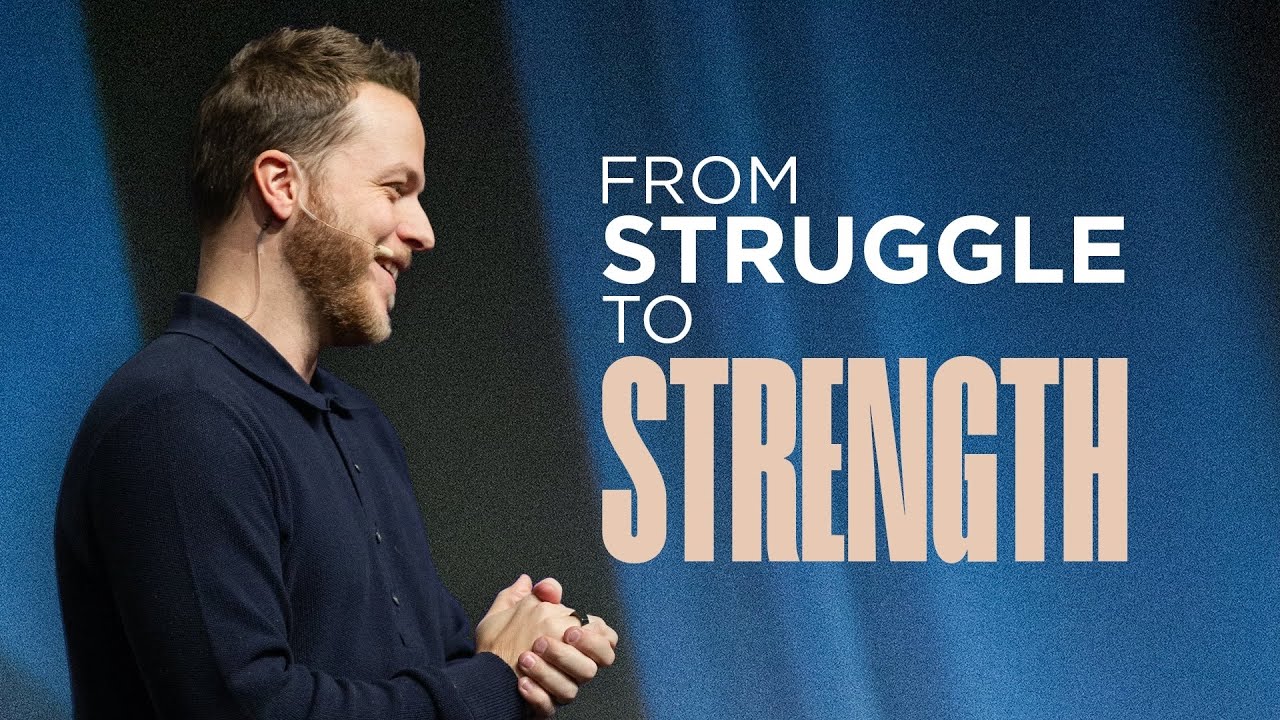
From Struggle to Strength: The Role of Church Community in Overcoming Addiction

Addiction can strip away confidence, damage relationships, and create a deep sense of isolation that feels difficult to escape. Yet recovery is possible, and no one has to walk that path alone. Alongside professional addiction treatment and mental health care, church communities can play a powerful role in helping individuals move from struggle to strength. Through faith, fellowship, and consistent support, churches can offer encouragement that reinforces healing and long-term recovery.

Understanding the Power of Community in Addiction Recovery

One of the most difficult parts of addiction is the isolation it creates. Many individuals withdraw from loved ones or feel misunderstood by those around them. This emotional distance can make recovery feel overwhelming and lonely.

A strong church community helps rebuild connection. It provides a space where individuals are seen, valued, and supported without judgment. This sense of belonging is not just comforting, it is clinically meaningful. Research consistently shows that social support improves outcomes in addiction recovery and mental health treatment.

When individuals feel connected to others, they are more likely to stay engaged in inpatient or outpatient care, attend therapy consistently, and maintain healthier coping habits.

How Church Communities Support Addiction Recovery

Churches are uniquely positioned to offer both emotional and practical support. Their role often complements professional treatment by reinforcing stability, purpose, and accountability.

Support Groups That Encourage Healing

Many churches offer recovery groups that provide a safe and confidential space for sharing personal experiences. These groups allow individuals to talk openly about challenges, setbacks, and progress without fear of judgment.

Peer support helps reduce shame, which is often a major barrier in addiction recovery. Hearing others share similar experiences can also provide hope and motivation to continue treatment.

Mentorship and Spiritual Guidance

Mentorship within a church community can be a stabilizing force during recovery. Pastors, leaders, or trained volunteers can offer regular guidance, encouragement, and accountability.

These relationships often help individuals stay focused on recovery goals. Mentors can also provide spiritual support that helps individuals process guilt, rebuild self-worth, and find meaning in their healing journey.

Creating Purpose Through Service

Addiction often disrupts a person’s sense of identity and purpose. Church involvement can help rebuild both.

Volunteer opportunities such as community outreach, hospitality roles, or support ministries allow individuals in recovery to contribute in meaningful ways. These experiences reinforce responsibility, build confidence, and create positive daily structure, all of which support long-term recovery.

Family Support and Education

Addiction impacts entire families, not just individuals. Many churches offer educational programs that help families understand addiction, mental health challenges, and recovery processes.

This education reduces stigma and helps families respond with empathy instead of frustration. When loved ones are informed and involved, recovery becomes more stable and sustainable.

Bridging Faith and Professional Treatment

Church communities are most effective when they work alongside professional care. Addiction recovery often requires a combination of medical supervision, therapy, and structured treatment plans through inpatient or outpatient programs.

Faith-based support does not replace clinical care. Instead, it enhances it by providing emotional and spiritual reinforcement. This integrated approach helps individuals address the physical, psychological, and spiritual aspects of addiction at the same time.

Integrating Holistic Healing for Lasting Recovery

Holistic recovery focuses on healing the whole person, not just the symptoms of addiction. Churches can support this process through prayer, reflection, community engagement, and encouragement.

When combined with individualized treatment plans, holistic support strengthens emotional resilience and helps individuals develop healthier coping strategies. Over time, this balanced approach supports sustained recovery and improved mental health.

Moving From Struggle to Strength

Recovery is not a straight path. It is a process that requires patience, support, and consistent care. With the right combination of professional treatment and church community support, individuals can move from isolation and struggle toward strength and stability.

If you or someone you love is facing addiction, reaching out for help is an important first step. Professional addiction treatment programs provide the clinical foundation for recovery, while church communities offer connection, encouragement, and hope.

You do not have to face this journey alone. With support, healing is possible, and a stronger future can begin today.