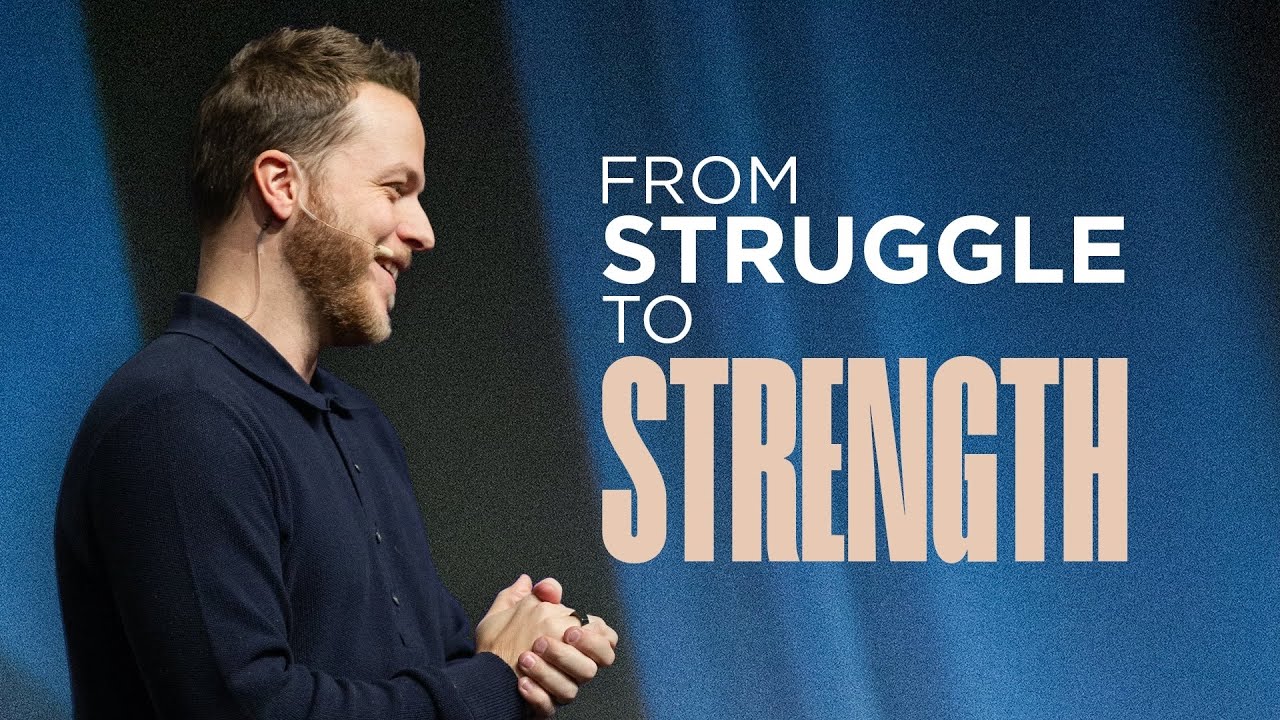
 Addiction can strip away confidence, damage relationships, and create a deep sense of isolation that feels difficult to escape. Yet recovery is possible, and no one has to walk that path alone. Alongside professional addiction treatment and mental health care, church communities can play a powerful role in helping individuals move from struggle to strength. Through faith, fellowship, and consistent support, churches can offer encouragement that reinforces healing and long-term recovery.
Understanding the Power of Community in Addiction Recovery
One of the most difficult parts of addiction is the isolation it creates. Many individuals withdraw from loved ones or feel misunderstood by those around them. This emotional distance can make recovery feel overwhelming and lonely.
A strong church community helps rebuild connection. It provides a space where individuals are seen, valued, and supported without judgment. This sense of belonging is not just comforting, it is clinically meaningful. Research consistently shows that social support improves outcomes in addiction recovery and mental health treatment.
When individuals feel connected to others, they are more likely to stay engaged in inpatient or outpatient care, attend therapy consistently, and maintain healthier coping habits.
How Church Communities Support Addiction Recovery
Churches are uniquely positioned to offer both emotional and practical support. Their role often complements professional treatment by reinforcing stability, purpose, and accountability.
Support Groups That Encourage Healing
Many churches offer recovery groups that provide a safe and confidential space for sharing personal experiences. These groups allow individuals to talk openly about challenges, setbacks, and progress without fear of judgment.
Peer support helps reduce shame, which is often a major barrier in addiction recovery. Hearing others share similar experiences can also provide hope and motivation to continue treatment.
Mentorship and Spiritual Guidance
Mentorship within a church community can be a stabilizing force during recovery. Pastors, leaders, or trained volunteers can offer regular guidance, encouragement, and accountability.
These relationships often help individuals stay focused on recovery goals. Mentors can also provide spiritual support that helps individuals process guilt, rebuild self-worth, and find meaning in their healing journey.
Creating Purpose Through Service
Addiction often disrupts a person’s sense of identity and purpose. Church involvement can help rebuild both.
Volunteer opportunities such as community outreach, hospitality roles, or support ministries allow individuals in recovery to contribute in meaningful ways. These experiences reinforce responsibility, build confidence, and create positive daily structure, all of which support long-term recovery.
Family Support and Education
Addiction impacts entire families, not just individuals. Many churches offer educational programs that help families understand addiction, mental health challenges, and recovery processes.
This education reduces stigma and helps families respond with empathy instead of frustration. When loved ones are informed and involved, recovery becomes more stable and sustainable.
Bridging Faith and Professional Treatment
Church communities are most effective when they work alongside professional care. Addiction recovery often requires a combination of medical supervision, therapy, and structured treatment plans through inpatient or outpatient programs.
Faith-based support does not replace clinical care. Instead, it enhances it by providing emotional and spiritual reinforcement. This integrated approach helps individuals address the physical, psychological, and spiritual aspects of addiction at the same time.
Integrating Holistic Healing for Lasting Recovery
Holistic recovery focuses on healing the whole person, not just the symptoms of addiction. Churches can support this process through prayer, reflection, community engagement, and encouragement.
When combined with individualized treatment plans, holistic support strengthens emotional resilience and helps individuals develop healthier coping strategies. Over time, this balanced approach supports sustained recovery and improved mental health.
Moving From Struggle to Strength
Recovery is not a straight path. It is a process that requires patience, support, and consistent care. With the right combination of professional treatment and church community support, individuals can move from isolation and struggle toward strength and stability.
If you or someone you love is facing addiction, reaching out for help is an important first step. Professional addiction treatment programs provide the clinical foundation for recovery, while church communities offer connection, encouragement, and hope.
You do not have to face this journey alone. With support, healing is possible, and a stronger future can begin today.