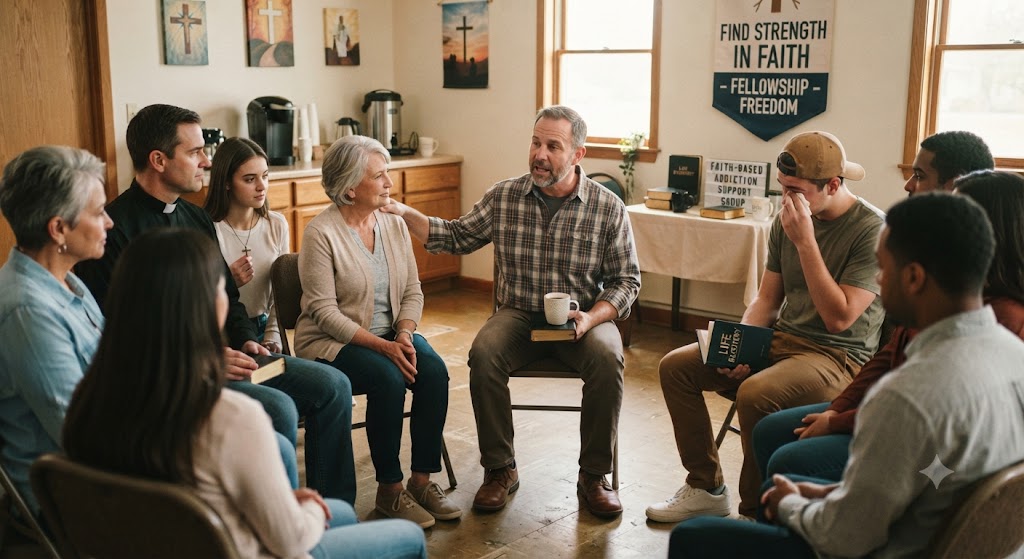
Addiction recovery is a life changing journey that requires far more than determination alone. Individuals recovering from substance use disorders often face physical, emotional, mental, and spiritual challenges that cannot be addressed by one source of support. Professional addiction recovery services provide the clinical expertise needed to treat addiction and co-occurring mental health conditions, while church communities can offer practical, ongoing support that strengthens recovery outside of formal treatment settings.
Although prayer and spiritual encouragement are valuable, healthy church communities can do much more. They can help individuals build meaningful relationships, create healthy routines, connect with valuable resources, and develop the confidence needed to move forward. When churches partner with professional addiction treatment providers, they become an important part of a holistic, individualized approach to healing that supports lasting recovery.
Why Practical Support Matters During Recovery
Recovery continues long after counseling sessions end or an inpatient program is completed. Everyday life brings new responsibilities, emotional triggers, and unexpected challenges. Without a reliable support system, these obstacles can feel overwhelming.
Practical support helps individuals apply what they have learned during treatment to real life situations. It provides consistency, accountability, and encouragement while helping people develop healthier habits that support long term sobriety.
Church communities are uniquely positioned to offer this kind of support because they provide ongoing relationships and opportunities for meaningful involvement.
How Churches Provide Practical Support for Recovery
Churches can make a lasting impact by addressing everyday needs while reinforcing the importance of professional addiction treatment and mental health care.
Creating a Safe and Welcoming Community
Many people struggling with addiction carry feelings of shame or fear that they will be judged for their past. These emotions often prevent individuals from asking for help.
A compassionate church creates an atmosphere where people are welcomed with dignity and respect. Rather than focusing on past mistakes, supportive faith communities encourage growth, healing, and restoration.
Feeling accepted helps individuals develop the confidence to continue seeking treatment and participating in recovery.
Building Healthy Relationships
Addiction frequently damages personal relationships and leads to isolation. Recovery becomes more sustainable when individuals replace unhealthy influences with positive, supportive friendships.
Churches offer many opportunities to build these connections through small groups, recovery ministries, Bible studies, volunteer projects, and community events.
These relationships encourage accountability while providing emotional support during difficult moments.
Offering Mentorship and Guidance
One of the most practical ways churches can support recovery is through mentorship. Trusted mentors provide encouragement, listen without judgment, and help individuals remain focused on their recovery goals.
Mentors do not replace therapists or counselors. Instead, they reinforce healthy decisions and provide another source of accountability between professional treatment sessions.
Consistent guidance helps individuals stay motivated as they navigate the challenges of rebuilding their lives.
Supporting Families Through Recovery
Addiction affects entire families, not just the individual receiving treatment. Loved ones often experience confusion, frustration, and emotional pain while trying to help.
Churches can support families by providing educational resources, family support groups, counseling referrals, and opportunities for open communication.
When families heal together, individuals in recovery often experience stronger long term outcomes.
Professional Treatment Remains the Foundation of Recovery
Church support is most effective when it complements evidence based addiction treatment. Substance use disorders are complex medical conditions that require professional evaluation and individualized care.
Inpatient and Outpatient Treatment Options
Every recovery journey is unique. Some individuals require inpatient treatment that provides medical supervision and a highly structured environment during the early stages of recovery.
Others benefit from outpatient treatment, where they continue therapy while maintaining work, school, or family responsibilities.
Both levels of care help individuals develop coping strategies, manage cravings, and address the underlying causes of addiction.
Addressing Mental Health Together
Mental health and addiction are often closely connected. Anxiety, depression, trauma, grief, and chronic stress can contribute to substance use while making recovery more challenging.
Comprehensive treatment addresses both addiction and mental health simultaneously through therapy, counseling, and personalized care plans.
Church communities strengthen this work by encouraging individuals to continue receiving professional care while providing ongoing emotional and spiritual support.
Holistic Healing Creates Lasting Change
Holistic recovery recognizes that healing involves every part of a person’s life. Physical wellness, emotional resilience, spiritual growth, supportive relationships, and mental health all contribute to lasting freedom from addiction.
Professional treatment addresses the clinical aspects of recovery through medical care and therapy. Church involvement complements these services by helping individuals develop hope, purpose, and healthy relationships that extend beyond treatment.
This balanced approach allows individuals to experience meaningful growth while reducing the likelihood of relapse.
Practical Ways Churches Can Continue Supporting Recovery
Churches that actively partner with recovery efforts often provide meaningful opportunities that promote lasting wellness.
Recovery Focused Small Groups
Support groups encourage honest conversations, shared experiences, and mutual encouragement among individuals pursuing recovery.
Volunteer Opportunities
Serving others helps individuals rebuild confidence, establish healthy routines, and discover renewed purpose within their community.
Community Resource Referrals
Church leaders can connect individuals with addiction recovery services, licensed mental health professionals, outpatient programs, inpatient treatment centers, and other valuable community resources.
Long Term Encouragement
Recovery is a lifelong journey. Continued friendships, mentorship, and regular check ins remind individuals that they remain supported well beyond the completion of formal treatment.
Hope Grows Through Partnership
Lasting recovery is built through collaboration. Professional addiction treatment provides the expertise necessary to address substance use disorders and mental health challenges, while church communities offer the practical encouragement and supportive relationships that help individuals apply those lessons every day.
If you or someone you love is struggling with addiction, remember that help is available. You do not have to choose between professional treatment and faith based support. Together, they create a compassionate and comprehensive path toward healing.
Recovery is possible with the right combination of individualized care, holistic treatment, and a community that is committed to walking alongside you. Every step forward, no matter how small, is a step toward renewed health, restored relationships, and lasting hope.