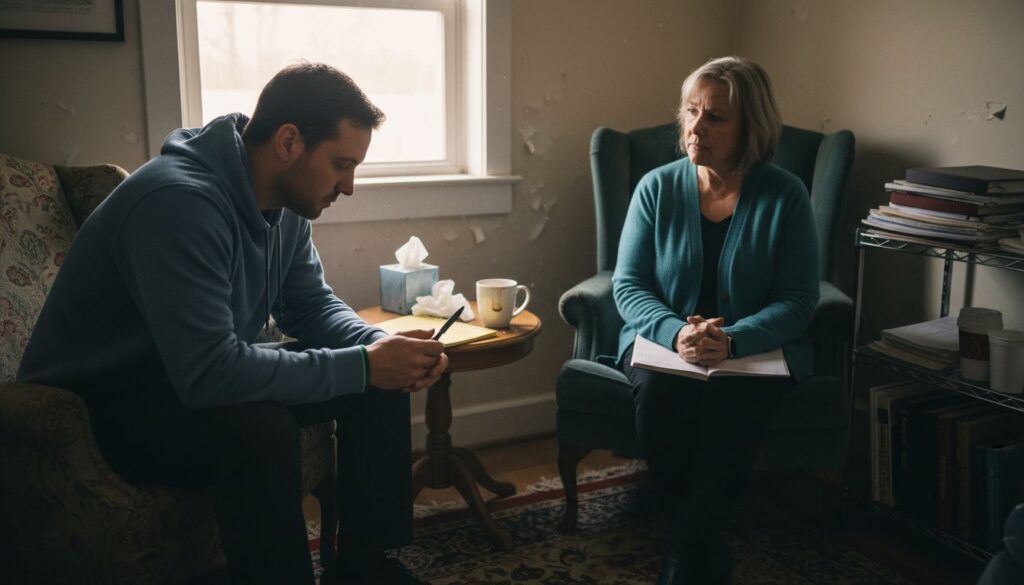
 Addiction recovery is a journey that requires more than simply overcoming a physical dependence. True healing involves restoring relationships, rebuilding emotional strength, developing healthier habits, and finding renewed purpose. While professional addiction recovery services and mental health treatment provide essential support, many individuals also discover strength through connection, faith, and community. A supportive church community can become a valuable part of the recovery process by offering encouragement, accountability, and a sense of belonging.
Faith based support does not replace professional care. Instead, it complements inpatient and outpatient treatment by helping individuals address the emotional and spiritual challenges that often accompany addiction. When recovery includes both clinical guidance and compassionate community support, individuals have a stronger foundation for lasting change.
Why Community Matters in Addiction Recovery
Addiction often creates separation. Many individuals struggling with substance use experience damaged relationships, feelings of shame, and a sense of being disconnected from others. This isolation can make recovery more difficult because healing requires support and encouragement.
A faith community provides an environment where individuals can reconnect with others who care about their well being. Being surrounded by people who offer understanding instead of judgment can help reduce shame and encourage continued growth.
Recovery is not only about breaking unhealthy patterns. It is also about building a healthier life filled with positive relationships, purpose, and hope.
How Churches Support Lasting Recovery
Church communities offer many forms of support that can strengthen an individual’s recovery journey. These efforts often work alongside professional treatment to support the whole person.
Providing Acceptance and Encouragement
Many individuals struggling with addiction fear being judged or rejected. This fear can prevent them from reaching out for help.
Church communities can provide a welcoming space where individuals are recognized for who they are rather than defined by their struggles. Compassionate support helps people feel valued and creates an environment where healing can begin.
Feeling accepted can be a powerful motivator for someone working through addiction recovery. It reminds individuals that their past does not determine their future.
Creating Opportunities for Connection
Connection is one of the most important parts of recovery. Churches often provide opportunities to build healthy relationships through small groups, fellowship activities, and recovery focused gatherings.
These connections help individuals replace isolation with meaningful interaction. Over time, these relationships can become an important source of encouragement during difficult moments.
Having people who celebrate progress and provide support during setbacks can make the recovery journey feel more manageable.
Offering Accountability and Support
Accountability is essential for long term recovery. Church communities often provide trusted relationships where individuals can share their goals, challenges, and progress.
Mentors, pastors, and supportive peers can encourage individuals to remain committed to their treatment plans and healthy choices. This accountability works alongside professional addiction treatment by reinforcing positive behaviors.
Supporting Mental Health and Emotional Healing
Addiction and mental health challenges are often connected. Many individuals face anxiety, depression, trauma, or emotional struggles that require attention during recovery.
Church communities can support emotional healing by encouraging individuals to seek professional mental health treatment while also providing spiritual encouragement. A holistic approach recognizes that healing involves the mind, body, and spirit.
Through prayer, reflection, community involvement, and professional care, individuals can develop stronger coping skills and emotional resilience.
The Importance of Combining Faith and Professional Treatment
While faith community support is valuable, professional addiction treatment remains an important part of recovery for many individuals. Addiction is a complex condition that often requires structured care, therapy, and individualized treatment.
Inpatient treatment programs provide intensive support for individuals who need a stable recovery environment. Outpatient programs offer continued care while allowing individuals to maintain daily responsibilities.
Church communities can strengthen these treatment approaches by providing encouragement outside of formal sessions. This combination creates a more complete support system that addresses both clinical and personal needs.
A Holistic Approach to Recovery
Holistic recovery focuses on healing every part of a person’s life. It recognizes that lasting change involves more than stopping substance use. Individuals also need emotional healing, healthy relationships, personal growth, and a renewed sense of purpose.
Faith communities contribute to this process by helping individuals develop hope and connection. Through service, fellowship, and spiritual growth, many people find new motivation to continue moving forward.
When combined with individualized addiction treatment and mental health support, faith based care can become an important part of a well rounded recovery plan.
Finding Strength Through Faith and Community
Recovery is a challenging journey, but no one has to face it alone. A strong support system can provide encouragement during difficult seasons and celebrate progress along the way.
Church communities offer connection, compassion, and hope that can help individuals continue their path toward healing. When paired with professional addiction recovery services, mental health treatment, and personalized care, faith based support can create a stronger foundation for lasting recovery.
If you or someone you love is struggling with addiction, reaching out for support is a meaningful first step. Healing is possible, and with the right combination of professional care and community support, individuals can move toward a healthier, more hopeful future.