Beyond Prayer and Encouragement: The Practical Role of Church Support in Addiction Recovery

Addiction recovery is a life changing journey that requires far more than determination alone. Individuals recovering from substance use disorders often face physical, emotional, mental, and spiritual challenges that cannot be addressed by one source of support. Professional addiction recovery services provide the clinical expertise needed to treat addiction and co-occurring mental health conditions, while church communities can offer practical, ongoing support that strengthens recovery outside of formal treatment settings.

Although prayer and spiritual encouragement are valuable, healthy church communities can do much more. They can help individuals build meaningful relationships, create healthy routines, connect with valuable resources, and develop the confidence needed to move forward. When churches partner with professional addiction treatment providers, they become an important part of a holistic, individualized approach to healing that supports lasting recovery.

Why Practical Support Matters During Recovery

Recovery continues long after counseling sessions end or an inpatient program is completed. Everyday life brings new responsibilities, emotional triggers, and unexpected challenges. Without a reliable support system, these obstacles can feel overwhelming.

Practical support helps individuals apply what they have learned during treatment to real life situations. It provides consistency, accountability, and encouragement while helping people develop healthier habits that support long term sobriety.

Church communities are uniquely positioned to offer this kind of support because they provide ongoing relationships and opportunities for meaningful involvement.

How Churches Provide Practical Support for Recovery

Churches can make a lasting impact by addressing everyday needs while reinforcing the importance of professional addiction treatment and mental health care.

Creating a Safe and Welcoming Community

Many people struggling with addiction carry feelings of shame or fear that they will be judged for their past. These emotions often prevent individuals from asking for help.

A compassionate church creates an atmosphere where people are welcomed with dignity and respect. Rather than focusing on past mistakes, supportive faith communities encourage growth, healing, and restoration.

Feeling accepted helps individuals develop the confidence to continue seeking treatment and participating in recovery.

Building Healthy Relationships

Addiction frequently damages personal relationships and leads to isolation. Recovery becomes more sustainable when individuals replace unhealthy influences with positive, supportive friendships.

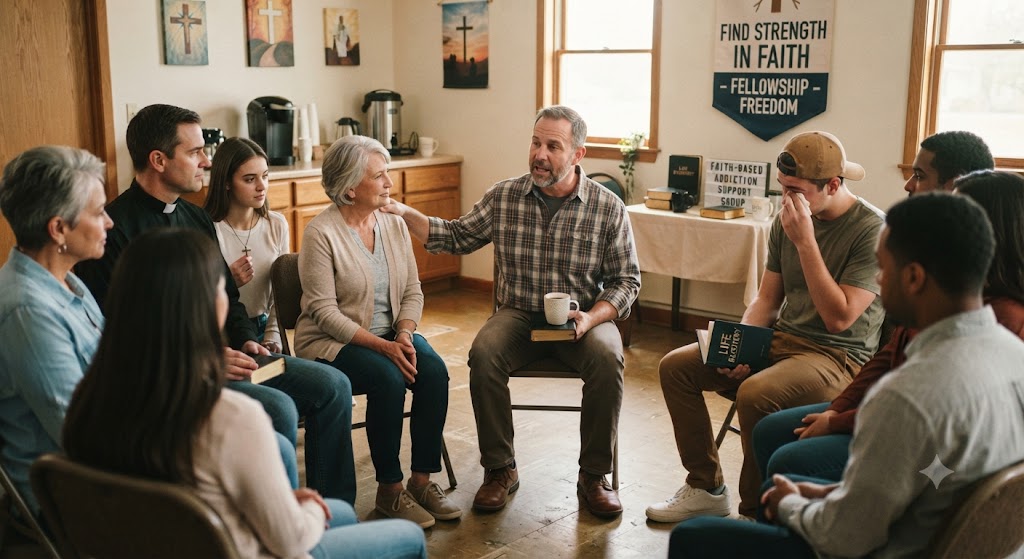
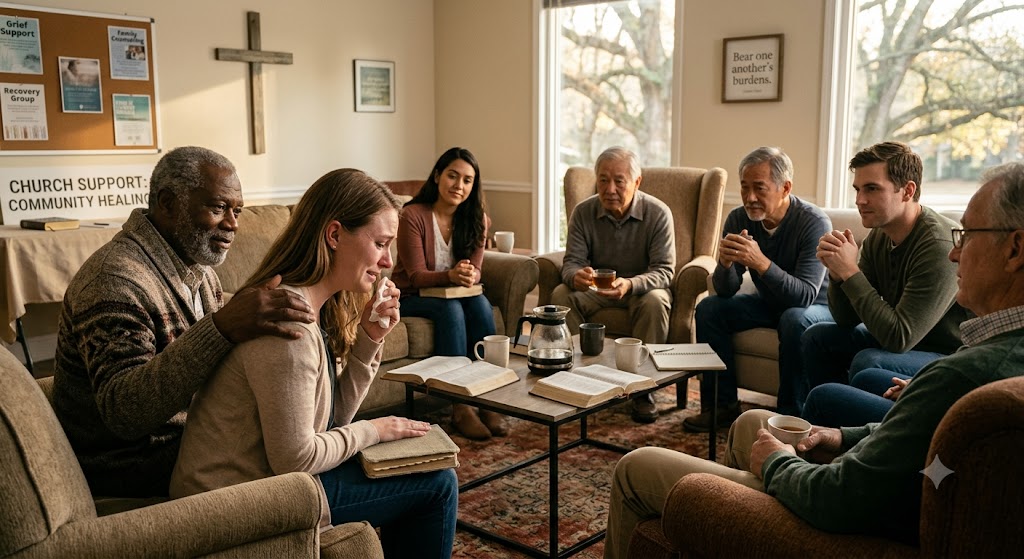
Churches offer many opportunities to build these connections through small groups, recovery ministries, Bible studies, volunteer projects, and community events.

These relationships encourage accountability while providing emotional support during difficult moments.

Offering Mentorship and Guidance

One of the most practical ways churches can support recovery is through mentorship. Trusted mentors provide encouragement, listen without judgment, and help individuals remain focused on their recovery goals.

Mentors do not replace therapists or counselors. Instead, they reinforce healthy decisions and provide another source of accountability between professional treatment sessions.

Consistent guidance helps individuals stay motivated as they navigate the challenges of rebuilding their lives.

Supporting Families Through Recovery

Addiction affects entire families, not just the individual receiving treatment. Loved ones often experience confusion, frustration, and emotional pain while trying to help.

Churches can support families by providing educational resources, family support groups, counseling referrals, and opportunities for open communication.

When families heal together, individuals in recovery often experience stronger long term outcomes.

Professional Treatment Remains the Foundation of Recovery

Church support is most effective when it complements evidence based addiction treatment. Substance use disorders are complex medical conditions that require professional evaluation and individualized care.

Inpatient and Outpatient Treatment Options

Every recovery journey is unique. Some individuals require inpatient treatment that provides medical supervision and a highly structured environment during the early stages of recovery.

Others benefit from outpatient treatment, where they continue therapy while maintaining work, school, or family responsibilities.

Both levels of care help individuals develop coping strategies, manage cravings, and address the underlying causes of addiction.

Addressing Mental Health Together

Mental health and addiction are often closely connected. Anxiety, depression, trauma, grief, and chronic stress can contribute to substance use while making recovery more challenging.

Comprehensive treatment addresses both addiction and mental health simultaneously through therapy, counseling, and personalized care plans.

Church communities strengthen this work by encouraging individuals to continue receiving professional care while providing ongoing emotional and spiritual support.

Holistic Healing Creates Lasting Change

Holistic recovery recognizes that healing involves every part of a person’s life. Physical wellness, emotional resilience, spiritual growth, supportive relationships, and mental health all contribute to lasting freedom from addiction.

Professional treatment addresses the clinical aspects of recovery through medical care and therapy. Church involvement complements these services by helping individuals develop hope, purpose, and healthy relationships that extend beyond treatment.

This balanced approach allows individuals to experience meaningful growth while reducing the likelihood of relapse.

Practical Ways Churches Can Continue Supporting Recovery

Churches that actively partner with recovery efforts often provide meaningful opportunities that promote lasting wellness.

Recovery Focused Small Groups

Support groups encourage honest conversations, shared experiences, and mutual encouragement among individuals pursuing recovery.

Volunteer Opportunities

Serving others helps individuals rebuild confidence, establish healthy routines, and discover renewed purpose within their community.

Community Resource Referrals

Church leaders can connect individuals with addiction recovery services, licensed mental health professionals, outpatient programs, inpatient treatment centers, and other valuable community resources.

Long Term Encouragement

Recovery is a lifelong journey. Continued friendships, mentorship, and regular check ins remind individuals that they remain supported well beyond the completion of formal treatment.

Hope Grows Through Partnership

Lasting recovery is built through collaboration. Professional addiction treatment provides the expertise necessary to address substance use disorders and mental health challenges, while church communities offer the practical encouragement and supportive relationships that help individuals apply those lessons every day.

If you or someone you love is struggling with addiction, remember that help is available. You do not have to choose between professional treatment and faith based support. Together, they create a compassionate and comprehensive path toward healing.

Recovery is possible with the right combination of individualized care, holistic treatment, and a community that is committed to walking alongside you. Every step forward, no matter how small, is a step toward renewed health, restored relationships, and lasting hope.


A Community That Cares: How Your Church Can Support Your Addiction Recovery Journey

Recovering from addiction is one of the most courageous decisions a person can make. It is a journey filled with victories, challenges, personal growth, and moments that require unwavering support. While professional addiction recovery services and mental health treatment provide the clinical foundation for healing, recovery often becomes stronger when individuals are surrounded by compassionate people who genuinely care about their well being. A supportive church community can become an important partner in that process by offering encouragement, accountability, and meaningful relationships that complement professional care.

Faith based support is not intended to replace counseling, therapy, or medical treatment. Instead, it enhances the recovery experience by helping individuals build resilience, strengthen their emotional well being, and develop lasting connections. When churches and treatment professionals work together, individuals benefit from a holistic approach that supports healing in every area of life.

Why Community Is So Important During Recovery

Addiction often damages relationships and creates isolation. Many people withdraw from family members, friends, and social activities because of guilt, shame, or fear of being misunderstood. Unfortunately, isolation can make recovery more difficult by increasing emotional stress and reducing access to healthy support.

Recovery thrives in community. Having people who encourage progress, celebrate milestones, and provide support during setbacks can significantly improve long term recovery outcomes. A caring church offers more than a place to worship. It provides a community where individuals can find hope, acceptance, and practical encouragement.

How Churches Can Support Addiction Recovery

Churches have many opportunities to walk alongside individuals who are rebuilding their lives after addiction. Their role extends beyond spiritual guidance by offering practical support that complements professional addiction treatment.

Offering a Safe Place to Be Honest

One of the greatest obstacles to recovery is the fear of being judged. Many individuals hesitate to share their struggles because they worry that others will only see their mistakes.

A healthy church community creates an atmosphere of compassion where people feel welcomed regardless of their past. This acceptance allows individuals to speak openly about their recovery journey and seek help without fear of rejection.

Feeling accepted encourages greater participation in treatment and strengthens emotional healing.

Building Meaningful Relationships

Recovery becomes more sustainable when individuals develop healthy, supportive relationships. Churches naturally provide opportunities to connect with others through small groups, Bible studies, volunteer activities, and fellowship events.

These relationships reduce loneliness and help individuals replace unhealthy influences with positive friendships that encourage personal growth and accountability.

Knowing that others genuinely care can provide motivation during even the most difficult stages of recovery.

Encouraging Accountability

Long term recovery often depends on consistent accountability. Trusted mentors, pastors, and supportive church members can encourage individuals to remain committed to their recovery goals while offering compassion during setbacks.

Accountability is not about criticism. It is about helping individuals stay focused on healthy choices while reminding them that progress is possible.

Professional Addiction Treatment Remains Essential

Although church support plays an important role, addiction is a complex medical condition that requires professional care. Evidence based treatment addresses both the physical and psychological aspects of addiction while helping individuals build the skills necessary for long term recovery.

Individualized Care Makes Recovery More Effective

Every person’s recovery journey is unique. Individualized treatment plans recognize that no two people have the same experiences, challenges, or goals.

Some individuals benefit from inpatient treatment, where they receive intensive care within a structured environment. Others find outpatient programs better suited to their responsibilities while still receiving ongoing therapy and counseling.

Personalized treatment allows professionals to address each individual’s specific recovery needs while adapting care as progress continues.

Mental Health Treatment Supports Lasting Recovery

Many individuals experiencing addiction also struggle with anxiety, depression, trauma, or other mental health conditions. Treating addiction without addressing these concerns can make long term recovery more difficult.

Professional mental health treatment helps individuals understand the underlying causes of substance use while developing healthier coping strategies. Church communities reinforce this work by encouraging continued care, reducing stigma, and providing emotional support throughout the recovery process.

Practical Ways Churches Can Make a Difference

Churches can strengthen recovery by offering practical resources that encourage long term healing.

Recovery Ministries

Faith based recovery groups provide supportive environments where individuals can discuss challenges, celebrate progress, and build healthy relationships with others pursuing recovery.

Mentorship Programs

Experienced mentors offer encouragement, accountability, and practical guidance throughout the recovery journey. These relationships often become valuable sources of stability during difficult seasons.

Family Support

Addiction affects the entire family. Churches can provide educational programs, counseling referrals, and support groups that help loved ones understand addiction while rebuilding healthy communication and trust.

Opportunities to Serve Others

Serving within the church community helps individuals rediscover purpose, develop confidence, and establish healthy routines. Acts of service also strengthen social connections and reinforce positive lifestyle changes.

Holistic Healing Creates Lasting Change

Successful recovery involves more than achieving sobriety. It requires healing the whole person. Holistic care recognizes the importance of physical health, emotional wellness, mental health, spiritual growth, and supportive relationships.

Professional addiction recovery services provide evidence based treatment that addresses the clinical aspects of addiction. Church communities complement this care by offering encouragement, compassion, fellowship, and opportunities for personal development.

Together, these approaches help individuals build stronger lives rooted in hope, resilience, and lasting recovery.

Take the Next Step Toward Hope

Healing from addiction is possible, and no one should have to walk the journey alone. A compassionate church community can provide encouragement, friendship, and accountability that strengthen the work being done through professional addiction treatment and mental health care.

If you or someone you love is struggling with addiction, reaching out for help is an important first step. Professional treatment, individualized care, and a supportive faith community can work together to create a path toward lasting healing and renewed purpose.

Recovery is not defined by yesterday’s mistakes. It is built through today’s decisions, tomorrow’s opportunities, and the people who choose to walk beside you along the way. With the right support system, lasting transformation is within reach.

Finding Strength in Faith: How Church Support Can Help You Overcome Addiction Challenges

Overcoming addiction is a deeply personal journey that requires courage, commitment, and the right support system. While professional addiction recovery services and mental health treatment provide essential tools for healing, many individuals discover that lasting recovery becomes stronger when they are surrounded by a caring community. For those who value faith, a supportive church community can provide encouragement, accountability, and hope during some of life’s most difficult moments.

Addiction can create feelings of isolation, shame, and uncertainty about the future. However, recovery does not have to be faced alone. When church support works alongside individualized addiction treatment, inpatient or outpatient care, and holistic healing approaches, individuals can build a stronger foundation for long term recovery and emotional wellness.

Why Support Matters During Addiction Recovery

Addiction affects more than physical health. It can impact relationships, emotional stability, confidence, and a person’s sense of purpose. Many individuals struggling with substance use also experience anxiety, depression, trauma, or other mental health challenges that make recovery more complex.

Professional treatment helps address these challenges through counseling, therapy, medical support, and personalized recovery plans. However, recovery also requires connection. Having people who offer encouragement and understanding can help individuals stay motivated and continue moving forward when challenges arise.

A faith community can provide that sense of connection by creating a place where individuals feel accepted, supported, and valued.

How Church Support Helps Individuals Overcome Addiction Challenges

Church communities can play an important role in recovery by offering practical and emotional support throughout the healing process.

Providing a Safe and Supportive Environment

One of the greatest struggles people face during addiction is feeling judged or misunderstood. Shame can prevent individuals from asking for help or being honest about their challenges.

A compassionate church community can provide a welcoming environment where people are encouraged to seek healing without fear of rejection. This sense of acceptance helps individuals recognize that their addiction does not define their identity or their future.

When people feel supported, they are often more willing to participate fully in treatment and take meaningful steps toward recovery.

Creating Connection and Reducing Isolation

Isolation can make addiction more difficult to overcome. Many individuals withdraw from friends, family members, and social activities because of their struggles.

Church involvement helps rebuild healthy connections through fellowship, small groups, mentorship, and community activities. These relationships provide encouragement and remind individuals that they are part of something larger than their challenges.

Positive relationships also create opportunities for accountability, which is an important part of maintaining long term recovery.

Offering Encouragement During Difficult Moments

Recovery is not always easy. There may be moments of doubt, stress, or emotional struggle. During these times, having supportive people nearby can make a significant difference.

Church members, mentors, and faith leaders can provide encouragement through prayer, conversation, and practical support. Their presence can help individuals stay focused on their recovery goals and continue working through challenges.

Combining Faith Support with Professional Addiction Treatment

Faith and professional treatment can work together to create a balanced approach to recovery. Church support provides emotional and spiritual encouragement, while professional treatment addresses the medical and psychological aspects of addiction.

Individualized Treatment for Unique Recovery Needs

Every person’s addiction journey is different. Some individuals may benefit from inpatient treatment that offers a structured environment and intensive support. Others may find outpatient treatment effective while continuing daily responsibilities.

Individualized care considers each person’s history, mental health needs, recovery goals, and personal circumstances. This approach allows treatment providers to create strategies that support lasting healing.

Addressing Mental Health Alongside Addiction

Many individuals struggling with addiction also experience mental health concerns. Conditions such as depression, anxiety, trauma, or chronic stress can influence substance use and recovery.

Comprehensive mental health treatment helps individuals understand these challenges and develop healthier coping skills. Church communities can support this process by encouraging individuals to seek professional care while offering compassion and encouragement along the way.

Practical Ways Churches Can Support Recovery

Churches can provide meaningful support through several practical efforts:

Recovery Support Groups

Faith based recovery groups allow individuals to share experiences, discuss challenges, and celebrate progress with others who understand their journey.

Mentorship Opportunities

A trusted mentor can provide guidance, encouragement, and accountability throughout recovery. Consistent support from someone who genuinely cares can help individuals remain focused on positive changes.

Family Support Resources

Addiction impacts families as well as individuals. Churches can provide education, resources, and support groups that help loved ones understand addiction and participate in the healing process.

Opportunities for Purpose and Service

Recovery often involves rebuilding confidence and discovering new purpose. Volunteering and serving others can help individuals develop positive routines and strengthen their connection to the community.

Building a Stronger Future Through Faith and Recovery

Healing from addiction requires a combination of support, commitment, and hope. Professional addiction treatment provides the structure and expertise needed to address addiction, while church communities offer the encouragement and connection that help individuals continue growing.

Faith can provide strength during difficult seasons by reminding individuals that change is possible and that they do not have to walk the recovery journey alone.

Taking the Next Step Toward Healing

If you or someone you love is struggling with addiction, reaching out for support is an important first step. Professional addiction recovery services, mental health treatment, and compassionate church communities can work together to create a path toward lasting healing.

Recovery is not about where someone has been. It is about where they can go with the right support, guidance, and commitment. Through faith, community, and personalized care, individuals can find the strength to overcome addiction challenges and build a healthier future.

From Support to Transformation: How Churches Partner with Individuals Seeking Recovery and Mental Wellness

Recovery is about much more than overcoming addiction. It is about rebuilding a life filled with hope, purpose, healthy relationships, and emotional well being. For many individuals, the journey includes addressing substance use, healing from trauma, managing mental health challenges, and learning new ways to navigate everyday life. Professional addiction recovery services provide the clinical care needed to begin this process, while church communities can offer lasting encouragement and meaningful connection. When faith based support and evidence based treatment work together, individuals gain a stronger foundation for lifelong recovery and mental wellness.

Churches are not meant to replace licensed counselors, physicians, or addiction specialists. Instead, they can become trusted partners that walk alongside individuals as they progress through inpatient treatment, outpatient care, counseling, and long term recovery. This partnership helps transform recovery from a personal struggle into a journey supported by compassionate people who genuinely care.

Why Recovery Requires More Than Clinical Treatment

Addiction affects every part of a person’s life. It impacts physical health, emotional stability, relationships, employment, and overall quality of life. Many people also experience anxiety, depression, unresolved trauma, or other mental health conditions that contribute to substance use.

Professional treatment addresses these complex challenges through individualized care plans that may include medical supervision, counseling, behavioral therapy, relapse prevention, and family support. While these services are essential, long term recovery also depends on having healthy relationships and a supportive community after treatment sessions end.

This is where church communities can make a meaningful difference.

How Churches Become Partners in Recovery

A caring church community provides more than spiritual encouragement. It offers practical support that helps individuals remain connected, encouraged, and focused on long term healing.

Creating a Safe Place for Honest Conversations

Many individuals delay seeking help because they fear judgment or rejection. Addiction often creates feelings of shame that make it difficult to speak openly about personal struggles.

Churches that foster compassion and understanding create safe spaces where people can be honest about their challenges. Feeling accepted allows individuals to seek support without fear of being defined by their past.

This atmosphere of grace encourages openness while reinforcing the importance of professional treatment and continued personal growth.

Encouraging Consistent Human Connection

Isolation is one of the greatest obstacles to recovery. Addiction often damages relationships and leaves individuals feeling disconnected from others.

Church communities help replace isolation with healthy fellowship. Small groups, recovery ministries, Bible studies, volunteer opportunities, and community events create regular opportunities to build supportive friendships.

These relationships provide encouragement during difficult seasons and remind individuals that recovery does not have to be a lonely journey.

Supporting Mental Wellness Through Community

Mental wellness is an important part of lasting recovery. Individuals recovering from addiction frequently experience anxiety, depression, grief, or stress as they rebuild their lives.

Churches can support mental wellness by promoting healthy conversations about emotional health, encouraging professional counseling, and offering compassionate support without stigma.

When people know they are valued and understood, they are often more willing to continue participating in treatment and practicing healthy coping skills.

Professional Treatment Remains Essential

Faith based support is strongest when it complements professional addiction treatment rather than replacing it.

Individualized Care Meets Unique Needs

Every person’s recovery story is different. Some individuals require medically supervised inpatient treatment to safely begin recovery. Others benefit from outpatient programs that provide flexibility while maintaining consistent therapeutic support.

Professional treatment providers develop individualized care plans that address each person’s physical health, mental health, substance use history, and personal goals.

This personalized approach creates the best opportunity for sustainable recovery.

Addressing Co-Occurring Mental Health Conditions

Many individuals seeking addiction treatment also struggle with mental health disorders. Conditions such as anxiety, depression, post traumatic stress, or unresolved trauma often require specialized therapeutic care.

Integrated treatment addresses both addiction and mental health simultaneously, helping individuals develop healthier coping strategies while reducing the likelihood of relapse.

Church communities strengthen this process by encouraging continued treatment and providing emotional support throughout recovery.

Practical Ways Churches Can Support Recovery

Churches can make a lasting impact by offering practical forms of care that reinforce professional treatment.

Recovery Focused Ministries

Dedicated recovery groups provide opportunities for individuals to share experiences, receive encouragement, and build accountability within a compassionate environment.

Mentorship and Encouragement

Experienced mentors can walk alongside individuals by offering guidance, listening without judgment, and celebrating milestones throughout recovery.

Family Support

Addiction affects spouses, parents, children, and close friends. Churches can provide educational programs and support groups that help families heal together while learning healthy communication and healthy boundaries.

Service Opportunities

Volunteering allows individuals to rediscover purpose while contributing positively to their community. Serving others often strengthens confidence, reinforces responsibility, and encourages continued personal growth.

A Holistic Approach to Transformation

Holistic recovery recognizes that healing involves the whole person. Physical health, emotional wellness, spiritual growth, healthy relationships, and professional treatment all contribute to lasting transformation.

Professional addiction recovery services address the clinical aspects of addiction through therapy, counseling, and medical care. Church communities reinforce this work by providing encouragement, hope, meaningful relationships, and opportunities for spiritual growth.

Together, these approaches help individuals move beyond simply avoiding substance use. They begin building lives filled with resilience, purpose, and healthy connections.

Recovery Is Stronger with Compassionate Partners

Transformation rarely happens in isolation. It develops through consistent support, professional guidance, and relationships that encourage growth even during difficult moments.

If you or someone you love is struggling with addiction or mental health challenges, remember that help is available. Professional treatment provides the expertise needed to address addiction safely and effectively, while a compassionate church community can offer lasting encouragement throughout every stage of recovery.

You do not have to choose between faith and professional care. The strongest path forward often includes both. By combining individualized addiction treatment, mental health services, holistic healing, and the support of a caring church community, lasting recovery becomes more than a possibility. It becomes a future built on hope, healing, and transformation.

Faith, Fellowship, and Freedom: How Church Communities Help People Overcome Addiction

Recovery from addiction is about far more than achieving sobriety. It is about restoring health, rebuilding relationships, healing emotional wounds, and rediscovering hope for the future. While professional addiction recovery services provide the clinical care necessary to treat substance use disorders, recovery often becomes stronger when individuals are surrounded by a compassionate community that encourages growth every step of the way. For many people, the church becomes that community.

Faith, fellowship, and professional treatment each play an important role in long term recovery. Together, they create a holistic approach that addresses the physical, emotional, mental, and spiritual aspects of healing. When individuals receive personalized treatment while remaining connected to a caring church family, they gain the support needed to navigate challenges and build a healthier future.

Why Community Is Essential in Addiction Recovery

Addiction often isolates people from those who care about them. Broken relationships, feelings of guilt, and fear of judgment can cause individuals to withdraw from family, friends, and even their faith. Unfortunately, isolation can make recovery even more difficult by increasing stress, loneliness, and the temptation to return to unhealthy behaviors.

Healing happens through connection. A supportive church community reminds individuals that they are not alone and that their lives have purpose beyond addiction. Consistent encouragement from caring people helps create resilience during the difficult moments that naturally occur throughout recovery.

Professional addiction treatment provides the clinical tools for recovery, while fellowship offers the daily encouragement that helps people continue applying those tools in real life.

How Church Communities Support Recovery

Churches provide meaningful support that complements inpatient and outpatient addiction treatment. Their role extends beyond weekly worship services by creating opportunities for connection, encouragement, and personal growth.

A Place Where Acceptance Replaces Shame

One of the greatest barriers to recovery is shame. Many individuals believe their mistakes define them or that they are beyond help. A healthy church community offers a different message.

Churches that lead with compassion welcome people without condemning them for their past. This atmosphere of acceptance allows individuals to seek help honestly and begin rebuilding trust in themselves and others.

Feeling accepted can reduce emotional isolation and increase confidence in the recovery process.

Fellowship Builds Healthy Relationships

Strong relationships are essential for lasting recovery. Fellowship provides opportunities to build friendships with people who encourage healthy choices and provide positive examples.

Small groups, Bible studies, recovery ministries, and community events create spaces where individuals can develop meaningful connections. These relationships often become valuable sources of accountability and emotional support throughout recovery.

Healthy fellowship replaces loneliness with belonging and reminds individuals that healing is not meant to happen alone.

Spiritual Growth Encourages Emotional Healing

Addiction affects every part of a person’s life, including emotional and spiritual well being. Many individuals carry unresolved grief, trauma, anxiety, or depression that contributed to their substance use.

Faith offers hope during these difficult seasons. Prayer, scripture, worship, and spiritual reflection can help individuals find peace while learning healthier ways to cope with life’s challenges.

Spiritual growth also encourages forgiveness, gratitude, and renewed purpose, all of which contribute to emotional healing.

Professional Treatment Remains the Foundation

Although church support is incredibly valuable, addiction recovery should always include appropriate professional care. Substance use disorders are complex medical conditions that often require evidence based treatment, counseling, and ongoing mental health support.

Individualized Treatment Plans

Every person’s recovery journey is different. Individualized treatment plans help address each person’s unique history, substance use patterns, mental health needs, and recovery goals.

Some individuals benefit from inpatient treatment that provides intensive structure and medical supervision. Others achieve success through outpatient programs that allow them to continue receiving care while managing family and work responsibilities.

Professional treatment creates a personalized roadmap for recovery that adapts as individuals continue to heal.

Addressing Mental Health Alongside Addiction

Mental health disorders frequently occur alongside addiction. Anxiety, depression, trauma, and chronic stress can all contribute to substance use and increase the risk of relapse if left untreated.

Comprehensive treatment addresses both addiction and mental health simultaneously through therapy, counseling, medication management when appropriate, and healthy coping strategies.

Church communities strengthen this work by offering ongoing encouragement and helping individuals remain connected to supportive relationships.

Practical Ways Churches Can Partner with Recovery

Churches can make a lasting difference by offering practical support that complements professional addiction treatment.

Recovery Support Groups

Faith based recovery groups provide safe environments where individuals can openly discuss challenges, celebrate progress, and encourage one another.

Mentorship Programs

Trusted mentors can offer guidance, accountability, and friendship throughout every stage of recovery.

Family Care and Education

Families often need support as they heal from the effects of addiction. Educational programs and family ministries help loved ones better understand recovery while strengthening communication and trust.

Opportunities to Serve

Serving others helps individuals rebuild confidence and discover renewed purpose. Volunteer opportunities also strengthen community involvement and encourage healthy routines.

A Holistic Approach to Lasting Freedom

True recovery addresses every aspect of a person’s life. Holistic healing recognizes that physical health, emotional wellness, spiritual growth, supportive relationships, and professional treatment all work together to promote lasting change.

When church communities partner with addiction recovery professionals, individuals receive comprehensive care that supports lasting freedom from addiction. Clinical expertise provides the necessary treatment, while faith and fellowship offer hope that continues long after formal treatment has ended.

Moving Forward with Hope

Recovery is not defined by perfection. It is built through daily choices, consistent support, and the willingness to keep moving forward. There may be setbacks along the way, but every step toward healing matters.

If you or someone you love is struggling with addiction, know that help is available. Professional addiction recovery services, mental health treatment, and compassionate church communities can work together to provide the guidance, support, and encouragement needed for lasting recovery.

You do not have to face addiction alone. With personalized treatment, a caring faith community, and a commitment to healing, freedom is possible. Every step you take today can lead to a healthier, stronger, and more hopeful tomorrow.

When Recovery Feels Difficult: Ways Church Support Can Help You Stay on the Path to Healing

Recovery is one of the most rewarding journeys a person can take, but it is rarely an easy one. There are moments of hope and progress, along with seasons of doubt, emotional pain, and unexpected challenges. Whether you are recovering from alcohol or drug addiction, or managing both substance use and mental health concerns, it is normal to experience obstacles along the way. The good news is that you do not have to face them alone. Professional addiction recovery services provide the clinical care needed to overcome addiction, while a supportive church community can offer encouragement, accountability, and hope that strengthens your commitment to healing.

Faith based support is most effective when it works alongside evidence based treatment. Together, these resources create a holistic approach that helps individuals heal physically, emotionally, mentally, and spiritually.

Why Recovery Can Feel So Challenging

Recovery involves much more than stopping substance use. It requires learning new coping skills, repairing relationships, managing emotional triggers, and creating healthier routines. Many individuals also experience anxiety, depression, trauma, or other mental health conditions that make recovery more complex.

Even after completing inpatient treatment or beginning outpatient care, life continues to present challenges. Stress, loneliness, and unexpected setbacks can test a person’s resolve. Having a strong support system during these moments is one of the most important factors in long term recovery.

How Church Support Strengthens the Recovery Journey

Church communities offer more than spiritual encouragement. They provide practical support, meaningful relationships, and a sense of belonging that can make recovery feel less overwhelming.

A Community That Replaces Isolation

Addiction often leads to isolation. Many people distance themselves from loved ones because of shame, guilt, or fear of being judged. Unfortunately, isolation can increase emotional distress and make relapse more likely.

A compassionate church community helps break this cycle by creating opportunities for genuine connection. Being surrounded by people who offer acceptance and encouragement reminds individuals that they are not defined by their addiction and that they are not alone in their recovery.

Encouragement During Difficult Seasons

Recovery is rarely a straight path. There may be moments when motivation feels low or personal challenges seem overwhelming. During these times, encouragement from a trusted community can make a significant difference.

Church members, pastors, and recovery mentors can offer prayer, guidance, and practical support that helps individuals remain focused on their long term goals. Sometimes, simply knowing that someone genuinely cares can provide the strength needed to keep moving forward.

Healthy Accountability

Long term recovery often depends on consistent accountability. Having trusted individuals who encourage healthy choices and celebrate progress helps reinforce positive habits.

Many churches offer recovery ministries, small groups, or mentorship programs where individuals can discuss challenges honestly and receive encouragement without fear of judgment. Accountability within a caring community supports the work being done in professional treatment.

Partnering Faith with Professional Addiction Treatment

Church support is valuable, but it is not a substitute for professional addiction treatment. Addiction is a medical and psychological condition that often requires comprehensive care from trained professionals.

Individualized Treatment Creates Better Outcomes

Every recovery journey is unique. Some individuals benefit from medically supervised inpatient treatment that provides intensive care and a structured environment. Others achieve success through outpatient programs that allow them to continue treatment while managing work, school, or family responsibilities.

Individualized treatment plans address each person’s specific needs, including co-occurring mental health conditions, trauma, and relapse prevention strategies.

Mental Health Care Is an Essential Part of Recovery

Mental health challenges frequently occur alongside addiction. Anxiety, depression, post traumatic stress, and unresolved emotional pain can contribute to substance use if left untreated.

Professional counseling and therapy help individuals understand these underlying issues while developing healthier coping strategies. Church communities can reinforce this healing by encouraging emotional openness, compassion, and continued participation in treatment.

Practical Ways Churches Can Support Recovery

Churches can make a meaningful impact by offering practical forms of support that extend beyond weekly services.

Recovery Focused Small Groups

Support groups create safe environments where individuals can share experiences, celebrate progress, and encourage one another through challenges.

Mentorship Programs

Experienced mentors provide guidance, accountability, and compassionate listening. These relationships often become valuable sources of stability throughout recovery.

Family Education

Addiction affects entire families. Churches can offer educational workshops and support groups that help loved ones better understand addiction, recovery, and healthy communication.

Opportunities to Serve Others

Volunteering within the church helps individuals rebuild confidence, develop purpose, and establish healthy routines. Serving others also reinforces personal growth and strengthens community connections.

A Holistic Approach to Healing

Lasting recovery involves healing every area of life. Holistic care recognizes the importance of physical health, emotional wellness, spiritual growth, and supportive relationships.

Professional addiction recovery services provide evidence based treatment that addresses the physical and psychological aspects of addiction. Faith communities strengthen this work by offering hope, encouragement, fellowship, and opportunities for personal growth.

When these approaches are combined, individuals are better equipped to navigate life’s challenges while building a healthier future.

Keep Moving Forward with Hope

Recovery may feel difficult at times, but every step forward matters. Challenges do not erase progress, and setbacks do not define the future. With the right support system, healing becomes more sustainable and hope becomes stronger.

If you or someone you love is struggling with addiction or co-occurring mental health challenges, consider reaching out for professional help while also connecting with a supportive church community. Evidence based treatment, individualized care, and compassionate faith based support can work together to create a strong foundation for lasting recovery.

You do not have to carry this burden alone. Healing is possible, hope is real, and with the right people beside you, the path to recovery becomes one you can continue with confidence.

The Healing Power of Faith Community: How Churches Support Lasting Recovery from Addiction

Addiction recovery is a journey that requires more than simply overcoming a physical dependence. True healing involves restoring relationships, rebuilding emotional strength, developing healthier habits, and finding renewed purpose. While professional addiction recovery services and mental health treatment provide essential support, many individuals also discover strength through connection, faith, and community. A supportive church community can become a valuable part of the recovery process by offering encouragement, accountability, and a sense of belonging.

Faith based support does not replace professional care. Instead, it complements inpatient and outpatient treatment by helping individuals address the emotional and spiritual challenges that often accompany addiction. When recovery includes both clinical guidance and compassionate community support, individuals have a stronger foundation for lasting change.

Why Community Matters in Addiction Recovery

Addiction often creates separation. Many individuals struggling with substance use experience damaged relationships, feelings of shame, and a sense of being disconnected from others. This isolation can make recovery more difficult because healing requires support and encouragement.

A faith community provides an environment where individuals can reconnect with others who care about their well being. Being surrounded by people who offer understanding instead of judgment can help reduce shame and encourage continued growth.

Recovery is not only about breaking unhealthy patterns. It is also about building a healthier life filled with positive relationships, purpose, and hope.

How Churches Support Lasting Recovery

Church communities offer many forms of support that can strengthen an individual’s recovery journey. These efforts often work alongside professional treatment to support the whole person.

Providing Acceptance and Encouragement

Many individuals struggling with addiction fear being judged or rejected. This fear can prevent them from reaching out for help.

Church communities can provide a welcoming space where individuals are recognized for who they are rather than defined by their struggles. Compassionate support helps people feel valued and creates an environment where healing can begin.

Feeling accepted can be a powerful motivator for someone working through addiction recovery. It reminds individuals that their past does not determine their future.

Creating Opportunities for Connection

Connection is one of the most important parts of recovery. Churches often provide opportunities to build healthy relationships through small groups, fellowship activities, and recovery focused gatherings.

These connections help individuals replace isolation with meaningful interaction. Over time, these relationships can become an important source of encouragement during difficult moments.

Having people who celebrate progress and provide support during setbacks can make the recovery journey feel more manageable.

Offering Accountability and Support

Accountability is essential for long term recovery. Church communities often provide trusted relationships where individuals can share their goals, challenges, and progress.

Mentors, pastors, and supportive peers can encourage individuals to remain committed to their treatment plans and healthy choices. This accountability works alongside professional addiction treatment by reinforcing positive behaviors.

Supporting Mental Health and Emotional Healing

Addiction and mental health challenges are often connected. Many individuals face anxiety, depression, trauma, or emotional struggles that require attention during recovery.

Church communities can support emotional healing by encouraging individuals to seek professional mental health treatment while also providing spiritual encouragement. A holistic approach recognizes that healing involves the mind, body, and spirit.

Through prayer, reflection, community involvement, and professional care, individuals can develop stronger coping skills and emotional resilience.

The Importance of Combining Faith and Professional Treatment

While faith community support is valuable, professional addiction treatment remains an important part of recovery for many individuals. Addiction is a complex condition that often requires structured care, therapy, and individualized treatment.

Inpatient treatment programs provide intensive support for individuals who need a stable recovery environment. Outpatient programs offer continued care while allowing individuals to maintain daily responsibilities.

Church communities can strengthen these treatment approaches by providing encouragement outside of formal sessions. This combination creates a more complete support system that addresses both clinical and personal needs.

A Holistic Approach to Recovery

Holistic recovery focuses on healing every part of a person’s life. It recognizes that lasting change involves more than stopping substance use. Individuals also need emotional healing, healthy relationships, personal growth, and a renewed sense of purpose.

Faith communities contribute to this process by helping individuals develop hope and connection. Through service, fellowship, and spiritual growth, many people find new motivation to continue moving forward.

When combined with individualized addiction treatment and mental health support, faith based care can become an important part of a well rounded recovery plan.

Finding Strength Through Faith and Community

Recovery is a challenging journey, but no one has to face it alone. A strong support system can provide encouragement during difficult seasons and celebrate progress along the way.

Church communities offer connection, compassion, and hope that can help individuals continue their path toward healing. When paired with professional addiction recovery services, mental health treatment, and personalized care, faith based support can create a stronger foundation for lasting recovery.

If you or someone you love is struggling with addiction, reaching out for support is a meaningful first step. Healing is possible, and with the right combination of professional care and community support, individuals can move toward a healthier, more hopeful future.

Finding Hope Together: How Your Church Can Be a Source of Strength During Addiction Recovery

Addiction recovery is one of the most challenging journeys a person can face. Whether you are struggling with alcohol dependency, drug addiction, or co-occurring mental health concerns, the road to healing often feels overwhelming. Many individuals experience feelings of isolation, shame, and uncertainty as they work toward recovery. Fortunately, healing does not have to happen alone. Alongside professional addiction treatment and mental health services, a supportive church community can become a valuable source of encouragement, accountability, and hope.

Faith based support is not a replacement for professional care. Instead, it serves as a powerful complement to evidence based treatment approaches. When individuals combine quality addiction recovery services with meaningful spiritual and community support, they often discover a stronger foundation for long term healing.

Why Community Matters in Addiction Recovery

Addiction thrives in isolation. Many people who struggle with substance use disorders find themselves withdrawing from family, friends, and healthy relationships. Over time, this separation can deepen feelings of loneliness and hopelessness.

Recovery, however, flourishes through connection. Building relationships with supportive people can improve emotional well being, strengthen accountability, and create a sense of belonging. Church communities are uniquely positioned to provide these benefits because they often offer consistent fellowship, compassionate care, and opportunities for personal growth.

When individuals feel seen, heard, and supported, they are more likely to stay engaged in treatment and continue moving forward through difficult stages of recovery.

How Churches Can Support Addiction Recovery

Churches can play an important role in helping individuals navigate the challenges of addiction and mental health recovery. Their support often extends beyond worship services and includes practical ways to encourage healing.

Providing a Judgment Free Environment

One of the greatest barriers to seeking help is fear of judgment. Many individuals worry that others will define them by their addiction rather than see them as people capable of growth and change.

Healthy church communities foster compassion and understanding. By creating a welcoming environment, churches can help individuals feel safe enough to share their struggles and seek support.

Offering Emotional and Spiritual Encouragement

Recovery involves more than physical sobriety. It also requires emotional healing and personal transformation. Church communities can provide encouragement through prayer, mentorship, small groups, and pastoral support.

For many people, faith becomes an important source of resilience during difficult moments. Spiritual practices can help individuals develop hope, find meaning, and maintain perspective throughout the recovery process.

Creating Opportunities for Accountability

Accountability is a critical component of long term recovery. Trusted relationships within a church can help individuals stay focused on their goals and remain committed to healthy choices.

Whether through recovery groups, mentorship programs, or close friendships, church members can provide encouragement while also helping individuals stay accountable to their treatment plans and personal commitments.

The Value of Combining Faith and Professional Treatment

While church support can be incredibly beneficial, professional addiction treatment remains essential for many individuals. Addiction is a complex condition that often involves physical dependence, emotional challenges, trauma, and underlying mental health concerns.

Addressing Co-Occurring Mental Health Conditions

Many people who struggle with addiction also face anxiety, depression, trauma, or other mental health disorders. Effective treatment addresses these challenges simultaneously through individualized care plans.

Professional therapists, counselors, and treatment providers can help individuals develop coping skills, process difficult emotions, and build healthier patterns of behavior.

Inpatient and Outpatient Treatment Options

Different individuals require different levels of care. Some may benefit from intensive inpatient treatment that provides a structured environment and round the clock support. Others may thrive in outpatient programs that allow them to receive treatment while maintaining family and work responsibilities.

A church community can support either path by offering encouragement and stability throughout the recovery process.

Supporting Holistic Healing

True recovery involves healing the whole person. Holistic approaches recognize the importance of physical health, emotional wellness, spiritual growth, and healthy relationships.

Faith based support works particularly well within a holistic framework because it addresses deeper questions about purpose, identity, and hope. When combined with professional treatment, individuals can experience more comprehensive healing.

Practical Ways Churches Can Partner with Recovery Efforts

Churches can actively support addiction recovery in several meaningful ways:

Recovery Focused Small Groups

Small groups provide a safe place for individuals to share experiences, celebrate progress, and discuss challenges. These groups foster community and reduce feelings of isolation.

Family Support Programs

Addiction impacts entire families. Churches can offer education, support groups, and resources that help loved ones understand addiction and participate in the healing process.

Volunteer and Service Opportunities

Meaningful service can help individuals rebuild confidence and develop a renewed sense of purpose. Volunteering also strengthens community connections and promotes personal growth.

Partnerships with Treatment Providers

Churches that collaborate with addiction recovery professionals can help connect individuals with appropriate resources, counseling services, and treatment programs when needed.

Finding Hope Through Connection

Recovery is not about achieving perfection. It is about taking consistent steps toward a healthier and more fulfilling life. Along the way, setbacks may occur, but having a supportive community can make a significant difference.

Churches have the opportunity to remind individuals that they are not defined by their addiction. They are valued, capable of growth, and deserving of support. Through compassion, accountability, and faith, church communities can become a powerful source of strength during recovery.

Conclusion

Addiction recovery is a journey that requires courage, commitment, and support. Professional addiction treatment and mental health services provide the clinical tools necessary for healing, while church communities offer encouragement, connection, and spiritual guidance that can strengthen the recovery process.

If you or someone you love is struggling with addiction, do not wait to seek help. Reach out to qualified treatment professionals and consider connecting with a supportive church community that understands the value of holistic healing. Recovery is possible, and you do not have to walk the journey alone. With the right combination of professional care, faith, and community support, lasting transformation can become a reality.

A Stronger Path to Healing: How Church Involvement Complements Professional Addiction Treatment

Recovery from addiction is not a single step or a quick decision. It is a structured process that requires clinical care, emotional support, and long term commitment. Professional addiction recovery services, mental health treatment, and inpatient or outpatient care provide the medical and psychological foundation needed for healing. However, lasting recovery often becomes stronger when individuals also have meaningful community support. Church involvement can play a powerful role in this process by offering encouragement, accountability, and a sense of belonging that complements professional treatment.

When faith based support and clinical care work together, individuals are better equipped to rebuild their lives with stability and purpose.

Why Professional Addiction Treatment Alone Is Not Always Enough

Professional treatment is essential for recovery. It addresses withdrawal symptoms, mental health conditions, and behavioral patterns through structured and evidence based approaches. Therapy, counseling, and medical supervision are critical components of this process.

However, recovery does not end when treatment sessions are over. Many individuals still face challenges such as loneliness, stress, and emotional triggers in daily life. Without ongoing support, these challenges can increase the risk of relapse.

This is where church involvement becomes valuable. It adds a layer of connection and encouragement that helps individuals maintain progress after or alongside clinical treatment.

How Church Involvement Strengthens Addiction Recovery

Church communities provide consistent, compassionate support that reinforces the work done in professional treatment programs. This combination creates a more complete recovery experience.

Building a Sense of Belonging and Connection

One of the most important aspects of recovery is connection. Many individuals struggling with addiction feel isolated or disconnected from others.

Church communities help rebuild this sense of belonging. Through fellowship, group gatherings, and supportive relationships, individuals are reminded that they are not alone. This emotional connection can reduce shame and increase motivation to stay engaged in recovery.

Encouragement That Supports Long Term Progress

Recovery is filled with both progress and setbacks. During difficult moments, encouragement from a church community can make a meaningful difference.

Consistent support from pastors, mentors, and fellow members helps individuals stay focused on their goals. This encouragement often reinforces the progress made in therapy and treatment, especially during challenging emotional periods.

Mentorship and Personal Accountability

Many churches offer mentorship programs where individuals in recovery are paired with trusted community members. These mentors provide guidance, accountability, and emotional support.

Regular conversations with a mentor help individuals reflect on their progress, manage stress, and stay committed to healthy choices. This accountability works alongside professional treatment plans to strengthen recovery outcomes.

Supporting Emotional and Spiritual Growth

Addiction affects more than physical health. It also impacts emotional well being and personal identity. Church involvement can support healing in these areas by encouraging reflection, forgiveness, and personal growth.

Spiritual practices such as prayer, reflection, and community worship can help individuals manage anxiety, build resilience, and find meaning during recovery. While not a replacement for therapy, these practices can complement mental health treatment in meaningful ways.

Creating Structure Through Community Engagement

Recovery often requires new routines and positive structure. Church involvement can help create this structure through regular gatherings, volunteer opportunities, and group activities.

Participation in these activities helps individuals develop consistency in their daily lives. It also provides opportunities to build healthy relationships and reinforce positive habits that support long term recovery.

Integrating Church Support with Professional Treatment

The most effective recovery plans combine clinical care with community support. Inpatient treatment provides intensive stabilization for individuals who need structured care. Outpatient programs allow for ongoing therapy while maintaining daily responsibilities.

Church involvement enhances both by providing emotional support, encouragement, and connection. When individuals have access to both professional treatment and a supportive faith community, they are more likely to maintain progress and build lasting recovery.

This integrated approach supports the whole person, addressing physical, emotional, and spiritual needs together.

Moving Toward a Stronger Recovery Journey

Healing from addiction takes time, patience, and support. Professional treatment provides the medical and psychological tools needed for recovery, while church involvement offers encouragement, connection, and accountability.

Together, they create a stronger path forward. Individuals are not only supported in overcoming addiction but also in rebuilding confidence, relationships, and purpose.

If you or someone you love is struggling with addiction, reaching out for help is an important first step. Combining professional addiction recovery services with supportive church involvement can provide a more complete and sustainable path to healing.

Recovery is possible, and with the right support system, lasting change is within reach.

Breaking Isolation in Addiction Recovery: The Role of Church Support and Connection

Isolation is one of the most damaging and overlooked parts of addiction. Many individuals struggling with substance use or mental health challenges withdraw from relationships, lose trust in others, and begin to feel like they are facing everything alone. This sense of disconnection can make recovery feel overwhelming. However, healing becomes more possible when connection is restored. Alongside professional addiction recovery services, mental health treatment, and structured inpatient or outpatient care, church communities can play a powerful role in breaking isolation and rebuilding meaningful relationships.

Recovery is not just about stopping harmful behaviors. It is about reconnecting with people, purpose, and hope.

Why Isolation Makes Addiction and Mental Health Struggles Worse

Isolation often develops gradually during addiction. As substance use increases or mental health symptoms worsen, individuals may withdraw from family, avoid social situations, or feel misunderstood by others. Over time, this lack of connection can intensify emotional distress.

Without support, it becomes easier to stay stuck in unhealthy patterns. Isolation can also increase feelings of shame, anxiety, and depression, which are common challenges in recovery. That is why connection is not just helpful in recovery. It is essential.

How Church Communities Help Break Isolation

Churches offer something that many individuals in recovery deeply need: consistent human connection. This connection is built through community, compassion, and shared purpose.

A Place Where People Are Welcomed, Not Judged

One of the most important aspects of church support is acceptance. Many individuals entering recovery fear judgment because of their past choices or current struggles.

Church communities often provide a safe space where individuals are welcomed as they are. This sense of belonging helps reduce shame and encourages people to engage more openly in their recovery journey.

Support Groups That Encourage Honest Connection

Many churches offer recovery focused groups or community gatherings where individuals can talk about their experiences. These groups are designed to be supportive, confidential, and understanding.

Hearing others share similar struggles helps reduce the feeling of being alone. It also creates opportunities for learning coping strategies and building hope through shared experiences.

Building Trust Through Consistent Relationships

Recovery requires stability, and church communities often provide consistent relationships over time. Whether through small groups, mentorship, or regular gatherings, individuals have repeated opportunities to connect with others who care.

These ongoing relationships help rebuild trust, which is often damaged during addiction. Trust grows slowly, but consistent support makes it possible.

Mentorship and Personal Guidance

Mentorship within a church setting can be a powerful tool in overcoming isolation. Pastors, leaders, or trained volunteers often walk alongside individuals in recovery, offering encouragement and accountability.

These relationships provide a steady source of support during difficult moments. Having someone to talk to can make it easier to stay engaged in treatment and continue progressing in recovery.

Encouraging Participation and Purpose

Isolation often leads to a loss of purpose. Church involvement helps individuals rediscover meaning through service, volunteering, and community participation.

Engaging in meaningful activities helps rebuild confidence and creates opportunities for positive social interaction. It also supports emotional healing by replacing isolation with connection and purpose.

Integrating Church Support with Professional Treatment

While church support plays an important role in breaking isolation, it is most effective when combined with professional addiction recovery services and mental health treatment.

Inpatient care provides structured support for individuals who need intensive treatment. Outpatient programs allow for ongoing therapy and flexibility. These clinical services address the physical and psychological aspects of recovery.

Church communities complement this care by providing emotional support, encouragement, and social connection. Together, they create a more complete recovery experience that supports long term healing.

The Importance of Connection in Lasting Recovery

Breaking isolation is not a one time event. It is an ongoing process that requires consistent effort and support. Connection helps individuals stay motivated, reduce relapse risk, and build healthier relationships over time.

When individuals feel connected, they are more likely to stay engaged in treatment and develop stronger coping skills. Connection also provides emotional stability during challenging moments in recovery.

Moving Toward Healing and Support

If you or someone you love is struggling with addiction or mental health challenges, know that isolation does not have to define your journey. Professional treatment and compassionate community support can work together to create a path forward.

Church communities offer acceptance, encouragement, and meaningful relationships. When combined with structured treatment and individualized care, they help individuals move from isolation toward healing and connection.

Recovery is possible, and you do not have to face it alone. With the right support system, lasting change and renewed hope are within reach.