Healing Through Faith: How Churches Provide Hope and Recovery for Addiction

Addiction can feel like an unending battle—physically, emotionally, and spiritually. For many individuals, recovery begins when they discover that healing is not just a clinical process, but a deeply spiritual one. Churches and faith-based recovery communities play a powerful role in guiding individuals from the darkness of addiction toward the light of hope and renewal. By blending biblical truth with personalized care and community support, churches are helping people break free and build meaningful, sober lives.

The Spiritual Gap in Addiction Recovery

Addiction affects more than just the body and mind. It often stems from emotional wounds, spiritual emptiness, and a sense of disconnection from purpose. While traditional treatment approaches are essential, many individuals find that faith adds a much-needed layer of healing. A relationship with God can restore a sense of identity, hope, and worth that addiction has stolen.

At Everyday Counselor, the approach to recovery is holistic. This means addressing not just the symptoms of addiction, but the root causes—trauma, mental health struggles, and spiritual disconnection. Through faith-based resources and individualized care plans, clients are empowered to reconnect with their values, discover their spiritual foundation, and walk the path of lasting recovery.

How Churches Help in the Healing Process

1. A Safe, Nonjudgmental Community

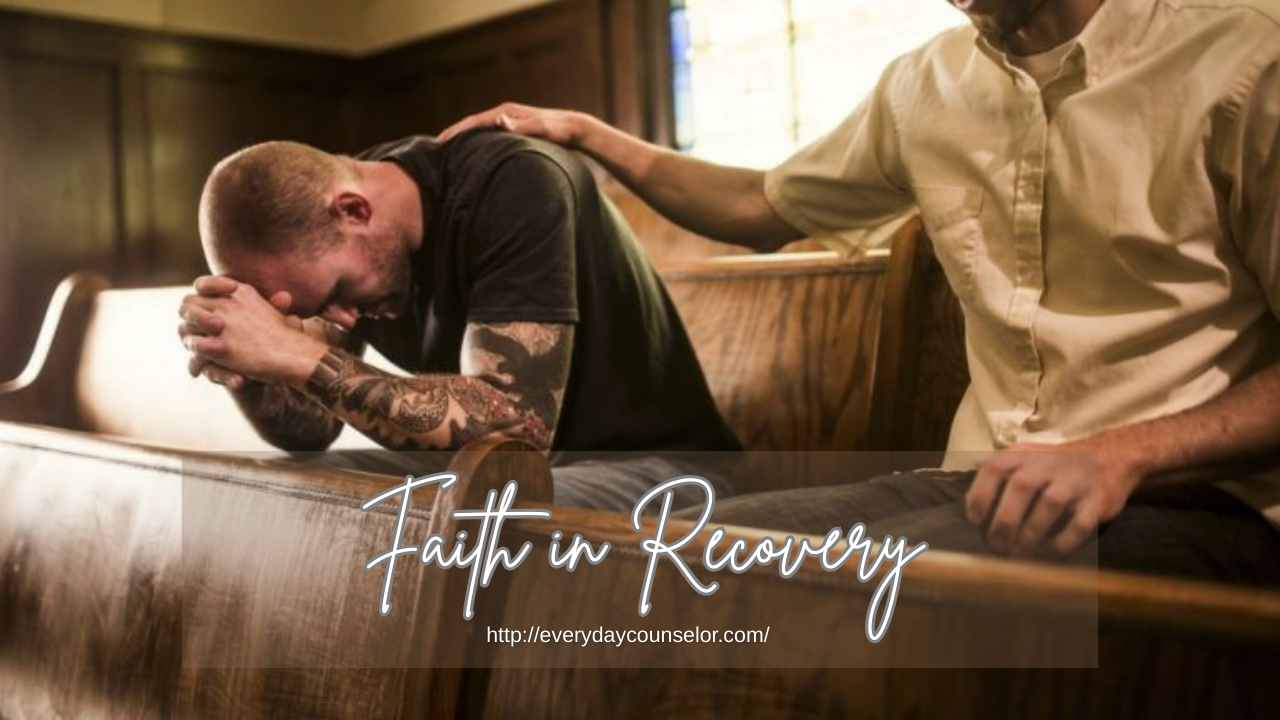
One of the most powerful gifts the church offers is community. Addiction isolates people. Shame often keeps them from reaching out. But in a compassionate church setting, individuals can find acceptance, not condemnation. They meet others who understand their struggles and are willing to walk alongside them in recovery.

Churches provide a space where vulnerability is honored and healing is encouraged. This sense of belonging is crucial for those who are rebuilding their lives after addiction.

2. Faith-Based Recovery Programs

Many churches offer recovery ministries such as Celebrate Recovery, a Christ-centered 12-step program that combines Scripture with practical recovery principles. These programs integrate the spiritual aspects of healing with accountability and peer support. They encourage participants to rely on God’s strength and grace as they overcome addiction and its underlying causes.

At Everyday Counselor, faith-based care isn’t just an option—it’s part of a whole-person strategy. Whether in individual counseling, group therapy, or spiritual mentorship, each person is guided toward healing in a way that aligns with their beliefs and personal journey.

3. Emotional and Mental Health Support

Churches are increasingly recognizing the connection between mental health and addiction. Many now partner with licensed counselors and addiction specialists to provide integrated support. This partnership ensures that individuals receive care that is both spiritually and clinically sound.

Everyday Counselor emphasizes this integration by offering inpatient and outpatient treatment that includes mental health therapy, spiritual guidance, and holistic wellness practices. Clients don’t have to choose between faith and clinical care—they can have both.

Practical Hope Through Personalized Faith

Healing through faith doesn’t mean ignoring practical needs. Churches often assist with tangible support: transportation to meetings, housing referrals, job resources, and more. It’s a reminder that faith is not just a belief system—it’s something that moves people to action.

What makes this faith-based support so effective is its personal touch. Churches and Christian recovery communities walk with people through their setbacks, celebrate their victories, and remind them that no one is beyond redemption. With God, every day offers a new beginning.

Conclusion: You Are Not Alone in This

Addiction recovery is hard. But you don’t have to do it alone. Faith, community, and expert care can make the difference between relapse and restoration. At Everyday Counselor, we believe that healing through faith is not just possible—it’s powerful.

If you or someone you love is struggling with addiction, reach out today. There is hope. There is help. And there is a path forward—one step, one prayer, and one day at a time.

Turning to God, Turning Away from Addiction: How the Church Can Help

Addiction is a powerful force that can trap individuals in cycles of pain, guilt, and isolation. Whether it involves drugs, alcohol, gambling, or other destructive behaviors, addiction often leaves people feeling hopeless and distant from the life they once envisioned. However, recovery is possible—and for many, it starts with turning to God. The church plays a vital role in helping individuals break free from addiction by offering spiritual guidance, practical support, and a loving community rooted in faith.

The Spiritual Foundation of Recovery

At the heart of addiction recovery is the need for transformation—not just physically or mentally, but spiritually. Addiction often fills a void in the soul, masking deeper pain, trauma, or loneliness. Turning to God provides a healthier and lasting solution to this emptiness. Through prayer, Scripture, and faith, individuals discover that true healing comes from within, through a relationship with their Creator.

Passages like Psalm 34:17-18 offer comfort to those in recovery: “The righteous cry out, and the Lord hears them; he delivers them from all their troubles. The Lord is close to the brokenhearted and saves those who are crushed in spirit.” This message is a reminder that no one is beyond God’s reach, and no addiction is too great for His healing power.

The Church as a Place of Support and Renewal

For someone battling addiction, the journey to sobriety can feel lonely and overwhelming. The church provides a safe haven—a place where individuals are accepted, loved, and supported regardless of their past mistakes. Rather than facing condemnation, those in recovery find compassion and encouragement from people who care about their spiritual and emotional well-being.

Churches often host faith-based recovery programs, such as Celebrate Recovery, that help individuals work through the steps of healing while keeping God at the center. These programs offer accountability, peer support, and biblical guidance to help participants overcome addiction and build new, healthier habits.

The Role of Prayer and Worship

Prayer is a powerful tool in addiction recovery. It allows individuals to surrender their struggles to God, ask for His strength, and find comfort in His presence. Through personal prayer or group prayer, those in recovery experience peace and renewed hope. Prayer reminds them they do not have to battle addiction alone—God walks with them every step of the way.

Worship also plays a significant role in healing. Singing songs of praise, listening to inspiring sermons, and participating in church services help individuals reconnect with their faith and find joy in their spiritual journey. Worship renews the spirit and reinforces the belief that life can be rebuilt on the foundation of God’s love.

Practical Help for Lasting Recovery

Beyond spiritual guidance, many churches offer practical assistance to support long-term recovery. This can include counseling services, mentoring programs, job placement help, or family support groups. Churches often partner with local treatment centers and community organizations to provide well-rounded care that addresses both the spiritual and practical needs of individuals in recovery.

Conclusion

Turning away from addiction and turning toward God is a life-changing decision. The church provides a path to healing through faith, community, and practical support. With God’s grace and the love of a supportive church family, individuals can find freedom, purpose, and a fresh start on the road to lasting recovery.

Faith-Based Healing: How Scripture and Worship Strengthen Recovery Efforts

Addiction recovery is a challenging journey that requires strength, courage, and support. While clinical treatment, counseling, and accountability are vital, many individuals discover that faith plays a crucial role in their healing process. For countless people, Scripture and worship offer the spiritual foundation they need to overcome addiction’s grip and embrace a life of freedom and purpose. Faith-based healing doesn’t just address outward behaviors—it nurtures the heart and soul, providing lasting strength for recovery.

Scripture as a Source of Hope and Direction

One of the most powerful tools in faith-based recovery is God’s Word. Scripture provides encouragement, wisdom, and reassurance during difficult times. When individuals face the temptation to return to harmful habits or feel overwhelmed by guilt and shame, the Bible reminds them of God’s unfailing love and promises.

Passages like Isaiah 40:31“But those who hope in the Lord will renew their strength. They will soar on wings like eagles; they will run and not grow weary, they will walk and not be faint.” — encourage perseverance and trust in God’s power. Similarly, 1 Corinthians 10:13 reminds believers that God provides a way out of temptation, offering hope in moments of weakness.

In recovery, Scripture helps reframe a person’s identity. No longer defined by addiction, they are seen as a child of God, forgiven and cherished. This spiritual renewal empowers individuals to leave behind shame and walk confidently toward healing.

The Healing Power of Worship

Worship, whether through song, prayer, or gathering with other believers, plays a vital role in the recovery process. Worship allows individuals to draw close to God, express gratitude, and find peace in His presence. In moments of praise, the focus shifts from personal struggles to God’s greatness and grace.

Singing hymns, contemporary Christian songs, or simply reflecting on God’s goodness helps to uplift the spirit and calm the mind. Music, in particular, has been shown to reduce stress and promote emotional healing. In the context of recovery, worship becomes a powerful tool for restoring hope and joy.

Corporate worship—gathering with others at church or recovery meetings—also reinforces the sense of community. It reminds individuals that they are not alone in their journey. Together, believers can encourage one another, share victories, and bear one another’s burdens, as taught in Galatians 6:2.

Faith-Based Programs That Blend Scripture and Worship

Many churches offer recovery programs like Celebrate Recovery or faith-based 12-step groups, which integrate Scripture and worship into their approach. These programs guide participants through biblical principles of healing, forgiveness, and renewal. Meetings often begin or end with prayer and songs of praise, creating a spiritually rich atmosphere that fosters transformation.

Conclusion

Recovery is not just about breaking free from addiction—it’s about building a new, hope-filled life. Scripture and worship provide spiritual strength, guidance, and comfort that help individuals stay grounded in their recovery journey. By turning to God’s Word and lifting their hearts in praise, those in recovery can find the courage to persevere, the peace to heal, and the joy of a new beginning.

Finding Redemption: How the Church Can Be a Safe Haven for the Addicted

Addiction is a struggle that isolates, wounds, and often leaves individuals feeling hopeless and unworthy. Many who suffer in silence believe they are beyond saving—cut off from love, community, and redemption. Yet, the message of the Gospel is one of hope, restoration, and new beginnings. For those battling addiction, the Church can be more than a place of worship—it can be a refuge, a healing center, and a source of life-changing grace.

The Church as a Place of Compassion, Not Condemnation

One of the biggest barriers for those battling addiction is the fear of judgment. Many avoid seeking help because they fear being condemned or misunderstood. This is where the Church must rise to its calling—to be the hands and feet of Christ, offering compassion, not criticism.

Jesus’ ministry was marked by reaching out to the broken, the outcast, and the hurting. The Church must reflect that same heart. When churches embrace people struggling with addiction, they reflect Christ’s unconditional love. They say, “You are welcome here. You are not alone. You are not beyond God’s reach.”

A Message of Redemption and New Life

Redemption is at the very core of the Christian faith. The Bible is filled with stories of transformation—of people who went from brokenness to healing through the power of God’s love. This message is especially powerful for those in recovery.

Scriptures like Joel 2:25 (“I will restore to you the years that the locust has eaten”) offer hope that what has been lost to addiction can be restored. In the church, individuals can hear and experience the truth that no matter how far they’ve fallen, God offers forgiveness, healing, and a new beginning.

Supportive Programs and Safe Communities

Many churches offer practical resources and structured support to those recovering from addiction. Programs like Celebrate Recovery, AA groups hosted in church halls, or faith-based counseling provide a safe, structured environment for healing.

These programs often pair spiritual development with emotional and behavioral tools for recovery. They emphasize personal accountability, community support, and a relationship with God as the foundation for lasting change.

Church support groups also foster strong relationships and accountability. Being surrounded by others who care and understand helps break the isolation that addiction creates. Through testimony, prayer, and mutual support, people in recovery find strength and solidarity.

A Place to Rebuild Life

In addition to spiritual guidance, many churches provide practical help—job training programs, food pantries, mentorship, or housing assistance. These resources empower individuals to rebuild their lives on stable, healthy foundations.

More importantly, the Church can be a place where recovering individuals rediscover their God-given identity. They are no longer seen through the lens of their addiction but through the lens of grace. In this new community, they can serve, grow, and thrive as part of something greater than themselves.

Conclusion

Addiction is a heavy burden, but it is not the end of the story. Through the love of Christ and the support of the Church, individuals can find a path to redemption. The Church, when open, compassionate, and equipped, can be a safe haven where the addicted find not only healing—but home.

God’s Grace in Recovery: How Spirituality Helps Break the Cycle of Addiction

Addiction is a relentless cycle that can trap individuals in patterns of shame, guilt, and self-destruction. Breaking free from its grip often requires more than just willpower or clinical intervention—it calls for transformation at the heart and soul level. For many, that transformation begins with experiencing God’s grace. Spirituality, rooted in faith, offers a path of healing that renews the mind, restores brokenness, and leads individuals into a new life of freedom and purpose.

Understanding God’s Grace

God’s grace is His unmerited favor—His love and forgiveness freely given to us despite our shortcomings. For those battling addiction, grace is a powerful reminder that past failures do not define the future. It offers hope that no matter how far one has fallen, redemption is always possible.

Scripture emphasizes this truth in Ephesians 2:8-9, which says, “For it is by grace you have been saved, through faith—and this is not from yourselves, it is the gift of God—not by works, so that no one can boast.” In recovery, this means individuals don’t need to earn God’s love or prove their worth. His grace is a gift—available even in the midst of addiction.

Spiritual Awakening and Identity

One of the deepest wounds caused by addiction is the loss of identity. Many people in addiction believe they are broken beyond repair or unworthy of love. Spirituality shifts that narrative. In faith, individuals discover they are children of God, created with purpose and loved unconditionally.

This spiritual awakening changes how people view themselves. They begin to move from self-hatred to self-acceptance, not because of their own strength, but because of who they are in Christ. As 2 Corinthians 5:17 states, “If anyone is in Christ, the new creation has come: The old has gone, the new is here!” Embracing this new identity helps break the shame cycle that fuels addiction.

Prayer and Surrender

In recovery, prayer becomes a lifeline—a place where individuals can bring their fears, temptations, and struggles before God. Through prayer, people surrender control, asking for God’s strength to replace their weakness. This surrender is not a sign of defeat but a powerful step toward healing.

Spiritual surrender also includes letting go of pride, secrecy, and the belief that one must face addiction alone. God’s grace invites individuals to lean on Him daily, trusting that He will provide the courage and clarity needed to stay sober one day at a time.

Support Through the Church

God often shows His grace through the hands and hearts of others. Church communities can be a source of practical and spiritual support for those in recovery. Programs like Celebrate Recovery, faith-based counseling, and prayer groups all provide environments where individuals can experience love, accountability, and encouragement.

When people feel accepted and supported, they are more likely to stay committed to their recovery journey. This fellowship reflects the grace of God and reminds them they are not alone.

Conclusion

Recovery is not just about abstaining from harmful behaviors—it’s about embracing a new life filled with hope, purpose, and healing. God’s grace offers that opportunity. Through faith, prayer, and community, individuals can break the cycle of addiction and step into a future defined not by their past, but by the redemptive love of God.

The Power of Fellowship: How Church Support Groups Can Aid in Sobriety

Overcoming addiction is never a journey meant to be taken alone. While personal determination and professional treatment are essential, the power of community often plays a defining role in long-term recovery. Church-based support groups offer a unique and spiritually grounded form of fellowship that can make a profound difference in the lives of those striving for sobriety. Through shared faith, mutual encouragement, and accountability, these groups provide a lifeline for those seeking to break free from the chains of addiction.

Faith as a Foundation for Recovery

For many people battling addiction, faith becomes a cornerstone of recovery. The church provides not just a place of worship, but a community of believers who offer love, support, and hope. Church support groups allow individuals to explore healing through a spiritual lens, helping them understand that their worth is not defined by their past but by God’s grace and redemption.

In these groups, participants are reminded of promises found in Scripture, such as 2 Corinthians 12:9, which says, “My grace is sufficient for you, for my power is made perfect in weakness.” This reassurance helps individuals find strength during times of temptation and discouragement.

A Safe Space for Sharing and Healing

Church support groups create a safe and judgment-free space for individuals to open up about their struggles. One of the most isolating aspects of addiction is the fear of being misunderstood or rejected. However, in a faith-based group, members often share similar experiences and can relate to one another’s journeys.

This fellowship fosters emotional healing and connection. Listening to others who have faced similar battles—and hearing how they’ve found strength through faith—can inspire new hope. It reminds participants that they are not alone, and that recovery is possible through both divine help and human support.

Accountability and Consistency

Support groups within the church setting also provide structure and accountability—two elements critical for sobriety. Weekly meetings, check-ins, and prayer circles create routine and commitment. Knowing that others care and are walking alongside them can motivate individuals to stay the course, even when the journey gets difficult.

Churches often use programs like Celebrate Recovery, which incorporates biblical principles with traditional recovery methods. Participants are encouraged to work through steps in community, fostering not only personal growth but collective encouragement. In this setting, accountability becomes an act of love, not judgment.

Spiritual and Practical Encouragement

Beyond emotional and spiritual support, church groups often extend help in practical ways. Members may offer rides to meetings, job leads, housing assistance, or simply a listening ear. These acts of kindness reinforce the idea that sobriety is not just a personal goal, but a communal victory.

Worship, prayer, and studying Scripture together deepen the spiritual roots of recovery. These shared spiritual experiences build resilience and remind individuals that their recovery journey is guided by a loving and forgiving God.

Conclusion

The journey to sobriety is difficult, but it is not one that must be walked alone. Church support groups offer a powerful combination of fellowship, faith, and practical support that can be life-changing. In the warmth of a church community, individuals find more than support—they find belonging, purpose, and the strength to embrace a future free from addiction.

Prayers and Programs: Church-Based Resources for Addiction Recovery

Addiction recovery is a journey that requires emotional strength, support, and guidance. For many, faith-based resources offer a powerful path to healing. Churches have long played a pivotal role in helping individuals overcome addiction by combining the power of prayer with structured recovery programs. Through spiritual care, community support, and practical outreach, churches provide essential tools for lasting transformation and sobriety.

The Power of Prayer in Healing

Prayer is a cornerstone of faith-based addiction recovery. It offers individuals a way to connect with God, express their struggles, and seek guidance and strength. For someone in recovery, prayer becomes more than a ritual—it becomes a lifeline. It helps calm anxiety, strengthen resolve, and remind the individual that they are never alone in their journey.

Group prayer, often held in church services or recovery meetings, also fosters a sense of community and shared purpose. Knowing that others are praying alongside them—and for them—gives many people a renewed sense of hope. Verses like Philippians 4:6-7 (“Do not be anxious about anything…”) offer spiritual reassurance, especially during moments of doubt or temptation.

Faith-Based Recovery Programs

Beyond prayer, many churches offer structured programs specifically designed to address addiction through a Christian lens. One of the most well-known is Celebrate Recovery, a Christ-centered recovery program that tackles not only substance abuse but also other life struggles like anger, codependency, and grief.

Celebrate Recovery uses the eight recovery principles based on the Beatitudes from Jesus’ Sermon on the Mount. Participants work through a series of steps in a supportive environment that includes worship, teaching, and small group discussions. These gatherings emphasize accountability, spiritual growth, and the message that healing is possible through God’s grace.

Other churches may partner with national or local recovery organizations, offering their space and volunteers to host weekly meetings, workshops, or retreats. These programs often blend faith teachings with evidence-based recovery practices to provide holistic healing.

Pastoral Counseling and Spiritual Mentorship

Churches often provide access to pastoral counseling, where individuals can receive one-on-one guidance rooted in Scripture. Pastors or trained lay leaders offer a listening ear and biblical insight, helping people navigate the emotional and spiritual battles of addiction.

In addition, spiritual mentors or “recovery sponsors” within the church community can walk alongside someone in recovery, offering support, encouragement, and accountability. These relationships are especially powerful because they are rooted in mutual faith and a shared belief in God’s power to heal.

Practical Resources and Outreach

Many churches recognize that spiritual healing must be accompanied by practical support. They may offer or connect individuals with resources like housing assistance, job training, food pantries, or transportation. By addressing basic needs, churches remove barriers that might otherwise hinder recovery progress.

Some congregations go even further by launching ministries specifically geared toward addiction recovery, complete with trained volunteers, follow-up care, and family support programs.

Conclusion

Churches are uniquely equipped to support addiction recovery by offering both spiritual and practical resources. Through prayer, structured recovery programs, counseling, and community outreach, churches provide a holistic and compassionate approach to healing. For those seeking freedom from addiction, the church can be a place of refuge, renewal, and hope—proof that faith and recovery go hand in hand.

Healing Through Faith: How Churches Offer Hope for Those Battling Addiction

Addiction is a deeply personal and often isolating struggle. Whether it’s substance abuse, behavioral addictions, or any other form of dependency, those affected often find themselves trapped in a cycle of shame, despair, and hopelessness. However, many individuals have found a transformative path to healing through faith. Churches provide a safe, loving, and supportive environment where people battling addiction can find hope, healing, and a new direction for their lives.

Spiritual Healing and Guidance

Addiction is not only a physical and emotional challenge but also a spiritual one. Many individuals struggling with addiction experience a deep sense of emptiness and a longing for purpose. The church offers a space to find spiritual guidance and meaning in the midst of that struggle. Through Bible teachings, prayer, and pastoral counseling, church leaders provide wisdom and reassurance that God is always with them, even in their darkest times.

Scriptures like Isaiah 41:10 — “Do not fear, for I am with you; do not be dismayed, for I am your God” — serve as a reminder of God’s presence and His willingness to help those in need. These messages are powerful, offering not only spiritual strength but also the comfort of knowing that no matter how deep the addiction, there is always a path to healing through God.

The Support of a Faith-Based Community

One of the most significant challenges for individuals battling addiction is the feeling of isolation. Addiction often leads to estrangement from family, friends, and society. The church provides a place where individuals can find a community that understands, supports, and accepts them without judgment.

Church communities often host faith-based recovery programs like Celebrate Recovery, which combine spiritual principles with practical recovery strategies. These groups offer an environment of accountability and encouragement where individuals can share their stories, struggles, and successes with others who are walking similar paths. Through these recovery groups, individuals not only find support but also establish meaningful relationships that help break the chains of isolation that often accompany addiction.

Prayer and Worship as Healing Tools

Prayer is another powerful tool for those battling addiction. It provides individuals with a way to express their deepest struggles, ask for divine strength, and find peace. Prayer helps those in recovery to surrender their burdens to God, asking for help to break free from their addictions. Whether it’s personal prayers or group prayers during services or support groups, the act of turning to God in prayer offers a sense of peace and inner strength that is vital for recovery.

Worship services also provide a transformative experience for those seeking healing. Through music, scripture, and fellowship, individuals are reminded of God’s love, mercy, and power. The communal worship experience offers a space for renewal, reminding people that they are not alone and that healing is possible through faith.

Practical Support and Outreach Programs

In addition to spiritual healing, churches often provide tangible resources to help those in recovery. Many churches have outreach programs that provide food, housing, and financial support to individuals in need. Some churches also partner with addiction treatment centers or offer counseling services that complement the spiritual and emotional support provided through the church community.

Mentorship programs within churches are especially beneficial. Church members can serve as mentors, offering one-on-one support, encouragement, and accountability, which helps individuals stay committed to their recovery journey.

Conclusion

Healing from addiction is not an easy journey, but with faith, it is possible. Churches provide not only a place for spiritual growth and reflection but also a supportive community, prayer, and practical resources for those struggling with addiction. Through faith and fellowship, individuals battling addiction can find hope, strength, and the courage to overcome their struggles and start anew.

From Darkness to Light: Finding Strength in God During Addiction Recovery

Addiction is a painful and often isolating struggle, one that can leave individuals feeling trapped in darkness. However, through faith in God, many people have found the strength and hope needed to embark on a path to recovery. Faith serves as a guiding light, offering encouragement, healing, and a renewed sense of purpose. By turning to God, individuals battling addiction can find the strength to overcome their struggles and embrace a transformed life.

Surrendering to God’s Power

One of the most important steps in addiction recovery is acknowledging the need for divine help. Many people attempt to conquer addiction on their own, only to find themselves overwhelmed by relapse and discouragement. By surrendering to God, individuals recognize that they do not have to fight their battles alone.

Scripture offers numerous reminders of God’s willingness to help those in need. Matthew 11:28 states, “Come to me, all you who are weary and burdened, and I will give you rest.” This verse reassures those struggling with addiction that God is always present, ready to provide comfort and strength in difficult times.

The Power of Prayer and Scripture

Prayer is a powerful tool in the journey to recovery. Through prayer, individuals can express their fears, ask for guidance, and seek strength to overcome temptation. Developing a consistent prayer life fosters a deeper relationship with God, reinforcing the belief that He is always near.

The Bible also serves as a source of encouragement during addiction recovery. Scriptures such as 2 Corinthians 12:9, which says, “My grace is sufficient for you, for my power is made perfect in weakness,” remind individuals that even in their weakest moments, God’s strength is enough to sustain them.

Community and Support Through the Church

Addiction often leads to isolation, but faith offers an opportunity to reconnect with a loving and supportive community. The church provides a safe space where individuals can share their struggles without fear of judgment. Support groups, pastoral counseling, and faith-based recovery programs help those in need build meaningful relationships with others who understand their journey.

Many churches offer programs such as Celebrate Recovery, a Christ-centered recovery group that integrates biblical principles with addiction treatment. These programs emphasize accountability, encouragement, and spiritual growth, helping individuals stay committed to their path of healing.

Embracing a New Identity in Christ

One of the greatest gifts of faith-based recovery is the realization that addiction does not define a person. The Bible teaches that through Christ, individuals are made new. 2 Corinthians 5:17 states, “Therefore, if anyone is in Christ, the new creation has come: The old has gone, the new is here!”

By embracing this truth, those in recovery can shed feelings of shame and guilt, replacing them with a renewed sense of purpose. Faith empowers individuals to leave behind their past struggles and step into a future filled with hope and healing.

Conclusion

Overcoming addiction is a challenging journey, but with God’s guidance, it is possible to move from darkness to light. Through prayer, scripture, community support, and a renewed identity in Christ, individuals can find the strength to break free from addiction and embrace a life of joy and purpose. By trusting in God’s power and love, the path to lasting recovery becomes clearer, leading to a future filled with hope and healing.


Breaking Chains: The Role of Church Communities in Overcoming Addiction

Addiction is a battle that many individuals face, often feeling trapped in a cycle of dependency and despair. However, one of the most powerful sources of support in overcoming addiction is the church community. Faith-based communities provide spiritual guidance, emotional support, and practical resources to help individuals break free from addiction and reclaim their lives. Through fellowship, prayer, and faith-driven recovery programs, churches play a vital role in helping individuals find hope, healing, and long-term sobriety.

Spiritual Support and Encouragement

Faith offers a sense of purpose and renewal, which is crucial for those struggling with addiction. Many people turn to substance abuse as a way to fill a void or escape pain, but faith provides a lasting source of strength and fulfillment. The church offers spiritual guidance through sermons, Bible studies, and pastoral counseling, helping individuals understand that they are valued and loved by God.

Scriptures such as Isaiah 41:10 (“Do not fear, for I am with you; do not be dismayed, for I am your God.”) serve as reminders that no one is alone in their journey to recovery. Churches encourage individuals to surrender their struggles to God and trust in His plan for healing and transformation.

A Supportive Community

Addiction often leads to isolation, which makes recovery even more difficult. Church communities provide a safe and welcoming environment where individuals can connect with others who share similar struggles. Fellowship with understanding and non-judgmental believers helps break the cycle of shame and loneliness that often accompanies addiction.

Churches also host faith-based recovery groups, such as Celebrate Recovery, where individuals can share their experiences, hold each other accountable, and find encouragement. These groups foster a sense of belonging, making it easier for those battling addiction to stay committed to their recovery journey.

The Power of Prayer and Worship

Prayer is a powerful tool in addiction recovery, offering comfort and hope in moments of weakness. Church members often pray for those struggling with addiction, reinforcing that they are not alone in their battle. Many individuals find peace and strength through personal and communal prayer, helping them resist temptation and stay on the path of sobriety.

Worship services also provide a means of healing by creating an atmosphere of spiritual renewal. Through hymns, worship songs, and faith-based messages, individuals are reminded of God’s grace and their ability to overcome addiction with His help.

Practical Support and Outreach Programs

Beyond spiritual support, many churches offer practical resources to help individuals in their recovery journey. Some provide food pantries, clothing assistance, and housing for those in crisis. Others partner with addiction treatment centers, counseling services, and job placement programs to offer comprehensive support.

Church volunteers and mentors play a crucial role by walking alongside individuals in their recovery. Having someone to provide guidance, accountability, and encouragement can make all the difference in sustaining long-term sobriety.

Conclusion

Breaking free from addiction is not easy, but the support of a faith-based community can make the journey more manageable. The church provides spiritual encouragement, a supportive community, the power of prayer, and practical resources to help individuals overcome addiction. Through faith and fellowship, those struggling with addiction can find the strength to reclaim their lives and walk a path of lasting recovery.