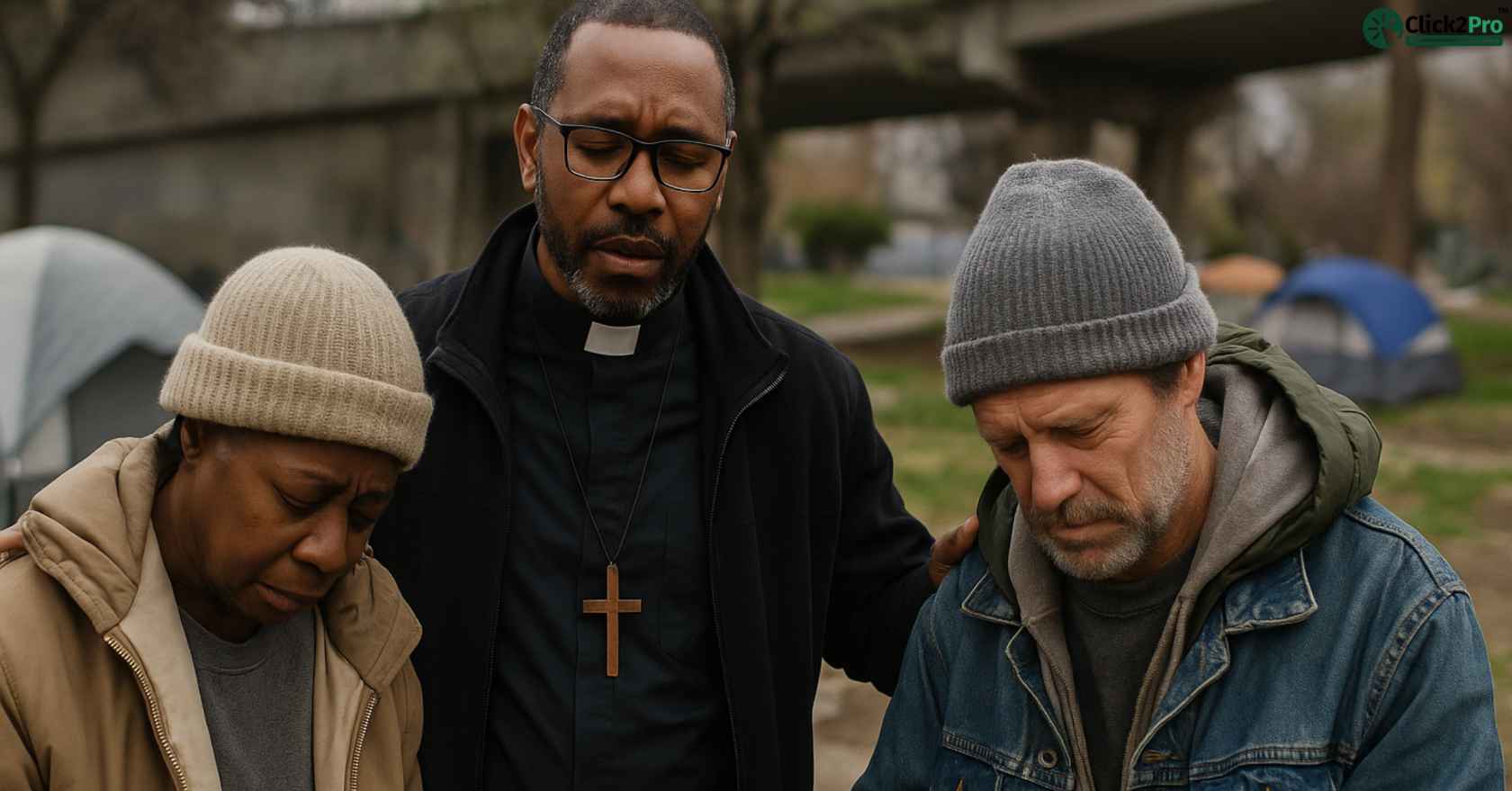
 Addiction can leave people feeling disconnected from themselves, their families, their faith, and the future they once imagined. Yet recovery can open the door to something more than sobriety. With compassionate addiction treatment, mental health support, and a community that believes in restoration, individuals can begin rebuilding their lives and discovering a renewed sense of purpose. For people who value faith, a supportive church community can become an important part of that process by providing encouragement, belonging, accountability, and opportunities to serve others.
Faith communities should not replace professional addiction treatment. Instead, they can complement individualized care by offering support that continues beyond the treatment setting. When professional counseling, inpatient or outpatient services, holistic approaches, and faith based community support work together, individuals have more resources to address the many dimensions of recovery.
Understanding the Journey From Addiction to Restoration
Addiction is more than a pattern of substance use. It can affect physical health, emotional well being, relationships, employment, finances, and mental health. Over time, individuals may begin to believe that their mistakes have permanently changed who they are.
Recovery challenges that belief.
Healing gives individuals an opportunity to understand their experiences, address the factors contributing to addiction, and develop healthier ways of coping with stress and difficult emotions. Professional treatment provides the structure and expertise necessary for this work. A supportive faith community can then reinforce those changes by helping individuals experience acceptance and connection in everyday life.
Restoration does not mean pretending that the past never happened. It means learning from the past while building a healthier future.
How Faith Communities Support Addiction Recovery
A healthy church community can contribute to recovery in practical and meaningful ways. Its role is not simply to offer encouragement during difficult moments. It can help individuals establish relationships, develop accountability, and rediscover their value and purpose.
Creating a Sense of Belonging
Isolation is common during addiction. Shame can cause individuals to withdraw from people who care about them, while unhealthy relationships may become increasingly central to their lives.
A welcoming faith community can provide a healthier alternative.
Church gatherings, small groups, volunteer opportunities, and recovery ministries allow individuals to develop relationships based on mutual respect and shared values. Feeling welcomed can reduce loneliness and remind a person that they are more than their addiction.
Belonging is especially important during early recovery, when individuals may be rebuilding their social lives and learning how to establish healthy boundaries.
Providing Compassionate Accountability
Accountability can help individuals remain focused on recovery goals. However, effective accountability should never be based on shame or condemnation.
Trusted church mentors and supportive friends can encourage individuals to follow through with treatment, maintain healthy routines, and reach out when they are struggling. They can also celebrate progress and remind individuals that setbacks do not erase the work they have already accomplished.
This type of accountability works best alongside professional care. Therapists and treatment providers address clinical concerns, while trusted members of a faith community can provide additional encouragement in daily life.
Connecting Faith With Professional Addiction Treatment
Faith can be an important source of meaning and hope, but addiction often requires professional intervention. A comprehensive recovery plan may include counseling, behavioral therapies, medical support, relapse prevention strategies, and treatment for co-occurring mental health concerns.
Inpatient Care Can Provide Stability
For some individuals, inpatient treatment offers the structured environment needed to begin recovery safely. A residential setting can provide consistent professional support while helping individuals step away from triggers, substance use, and unhealthy routines.
During this stage, church support can remain valuable when it respects the individual’s treatment plan. Encouraging messages, family involvement when appropriate, and continued prayer can provide emotional and spiritual support without interfering with clinical care.
Outpatient Care Supports Continued Growth
Outpatient treatment can help individuals continue receiving professional support while returning to work, family responsibilities, or other aspects of daily life.
This transition can bring new challenges. Stress, social situations, and familiar environments may test newly developed coping skills.
A supportive faith community can help create positive routines during this stage. Regular fellowship, mentorship, and service opportunities can provide structure while strengthening healthy connections.
Addressing Mental Health Alongside Addiction
Mental health treatment is an important part of comprehensive addiction recovery. Depression, anxiety, trauma, grief, and other emotional challenges can contribute to substance use or make recovery more difficult.
Ignoring these concerns can leave individuals vulnerable to returning to old coping patterns.
Professional mental health treatment helps people understand their emotional experiences and develop healthier strategies for managing them. A compassionate faith community can complement this work by reducing stigma and encouraging individuals to seek the help they need.
Faith and professional mental health care do not have to compete. For many individuals, spiritual beliefs and clinical treatment can work together as parts of a broader approach to healing.
Finding Purpose After Addiction
One of the most powerful parts of recovery is discovering that life can become about more than avoiding substances. Individuals can begin asking important questions about who they want to become and how they want to contribute to the lives of others.
Faith communities can provide meaningful opportunities to explore those questions.
Serving Others
Volunteering can help individuals rebuild confidence and develop a sense of responsibility. Serving others also shifts attention away from past mistakes and toward positive contributions in the present.
Whether someone helps with a community project, supports a church ministry, or simply assists another person in need, service can reinforce the idea that their life has value.
Developing New Healthy Routines
Purpose often grows through consistent action. Attending worship services, participating in a small group, volunteering, exercising, working, and maintaining treatment appointments can create structure.
Healthy routines reduce idle time and provide opportunities to practice the skills developed during treatment.
Rebuilding Relationships
Restoration also involves relationships. Addiction can damage trust, and rebuilding that trust requires patience and consistency.
Faith communities can provide healthy social environments where individuals learn to communicate openly, respect boundaries, and develop relationships based on honesty and mutual support.
What Healthy Faith Based Support Looks Like
Effective church support should always respect the individual’s dignity and treatment needs. It should encourage professional care rather than discourage it.
A healthy faith community:
- Welcomes individuals without defining them by their addiction.
- Encourages professional addiction and mental health treatment.
- Respects privacy and personal boundaries.
- Provides compassionate accountability.
- Avoids shame based approaches.
- Offers practical opportunities for connection and service.
- Recognizes that recovery looks different for every person.
This approach allows faith to become a source of strength without placing unrealistic expectations on someone who is working through a complex health condition.
A Holistic Path Toward Restoration
Lasting recovery involves the whole person. Physical health, mental health, emotional wellness, relationships, spirituality, and personal purpose can all influence the recovery journey.
That is why individualized and holistic treatment can be so valuable. Professional addiction recovery services address the clinical aspects of substance use and mental health. Faith communities can then provide a consistent network of compassion, connection, and encouragement.
Together, these forms of support can help individuals move from simply surviving addiction to building a meaningful life in recovery.
Take the Next Step Toward a Restored Life
If you are struggling with addiction, your current circumstances do not have to determine your future. Recovery can give you the opportunity to heal, rebuild relationships, strengthen your mental health, and rediscover purpose.
Professional addiction treatment can provide the expertise and individualized care needed to begin that process. A compassionate faith community can provide the relationships and encouragement that help sustain it.
You do not have to choose between professional treatment and faith based support. When both are approached thoughtfully, they can work together to support lasting change.
The journey from struggle to restoration begins with one honest step. Reach out for help, talk with someone you trust, and explore the treatment and community resources available to you. With the right care and a supportive network beside you, a healthier and more purposeful future is possible.