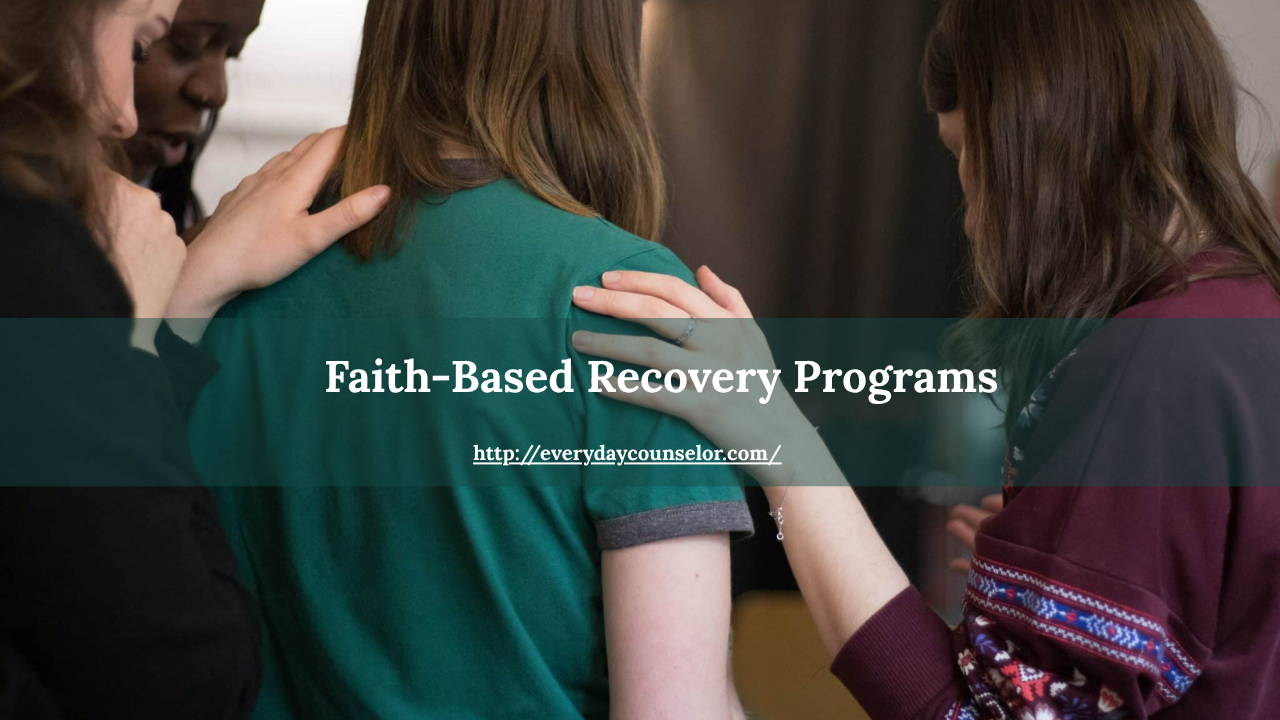
 Addiction is a powerful force that can trap individuals in cycles of pain, guilt, and isolation. Whether it involves drugs, alcohol, gambling, or other destructive behaviors, addiction often leaves people feeling hopeless and distant from the life they once envisioned. However, recovery is possible—and for many, it starts with turning to God. The church plays a vital role in helping individuals break free from addiction by offering spiritual guidance, practical support, and a loving community rooted in faith.
The Spiritual Foundation of Recovery
At the heart of addiction recovery is the need for transformation—not just physically or mentally, but spiritually. Addiction often fills a void in the soul, masking deeper pain, trauma, or loneliness. Turning to God provides a healthier and lasting solution to this emptiness. Through prayer, Scripture, and faith, individuals discover that true healing comes from within, through a relationship with their Creator.
Passages like Psalm 34:17-18 offer comfort to those in recovery: “The righteous cry out, and the Lord hears them; he delivers them from all their troubles. The Lord is close to the brokenhearted and saves those who are crushed in spirit.” This message is a reminder that no one is beyond God’s reach, and no addiction is too great for His healing power.
The Church as a Place of Support and Renewal
For someone battling addiction, the journey to sobriety can feel lonely and overwhelming. The church provides a safe haven—a place where individuals are accepted, loved, and supported regardless of their past mistakes. Rather than facing condemnation, those in recovery find compassion and encouragement from people who care about their spiritual and emotional well-being.
Churches often host faith-based recovery programs, such as Celebrate Recovery, that help individuals work through the steps of healing while keeping God at the center. These programs offer accountability, peer support, and biblical guidance to help participants overcome addiction and build new, healthier habits.
The Role of Prayer and Worship
Prayer is a powerful tool in addiction recovery. It allows individuals to surrender their struggles to God, ask for His strength, and find comfort in His presence. Through personal prayer or group prayer, those in recovery experience peace and renewed hope. Prayer reminds them they do not have to battle addiction alone—God walks with them every step of the way.
Worship also plays a significant role in healing. Singing songs of praise, listening to inspiring sermons, and participating in church services help individuals reconnect with their faith and find joy in their spiritual journey. Worship renews the spirit and reinforces the belief that life can be rebuilt on the foundation of God’s love.
Practical Help for Lasting Recovery
Beyond spiritual guidance, many churches offer practical assistance to support long-term recovery. This can include counseling services, mentoring programs, job placement help, or family support groups. Churches often partner with local treatment centers and community organizations to provide well-rounded care that addresses both the spiritual and practical needs of individuals in recovery.
Conclusion
Turning away from addiction and turning toward God is a life-changing decision. The church provides a path to healing through faith, community, and practical support. With God’s grace and the love of a supportive church family, individuals can find freedom, purpose, and a fresh start on the road to lasting recovery.