Category Archives: Uncategorized

Overcoming Addiction with Faith and Fellowship

Addiction can feel isolating and overwhelming, leaving individuals searching for hope and guidance. While professional treatment is essential, many people find that faith and fellowship provide an additional layer of strength and resilience. Churches offer supportive communities where individuals can reconnect with their spirituality, build meaningful relationships, and access practical recovery tools. At Everyday Counselor, we recognize that integrating faith-based support with clinical care creates a holistic approach that promotes lasting sobriety and personal growth.

How Faith Supports the Recovery Process

Recovery is not only about managing cravings and breaking habits; it also involves rebuilding a sense of purpose and identity. Faith provides individuals with hope and guidance, encouraging them to believe in their ability to change and grow.

Church programs often incorporate prayer, meditation, scripture study, and spiritual reflection. These practices help individuals find inner peace, cope with stress, and maintain motivation during difficult moments. When combined with professional treatment, faith becomes a powerful source of emotional and spiritual support.

Fellowship: The Power of Community in Recovery

Building a Safe Support Network

Isolation often intensifies addictive behaviors. Church communities offer safe and welcoming spaces where individuals can share experiences, express emotions, and seek guidance without judgment. Feeling understood and supported is critical for maintaining sobriety and developing emotional resilience.

Encouragement Through Peer Support

Fellowship within church recovery programs provides consistent encouragement and accountability. Group meetings, support circles, and mentoring relationships connect participants with people who understand their struggles. Sharing successes and challenges fosters a sense of belonging and reinforces commitment to recovery.

Mentorship and Guidance

Many church programs provide mentorship through spiritual leaders or trained volunteers. Mentors offer practical guidance, emotional support, and accountability, helping participants navigate challenges and stay focused on recovery goals. This mentorship complements clinical interventions, enhancing the overall recovery process.

Integrating Faith and Professional Treatment

Faith-based support is most effective when paired with professional care. Everyday Counselor provides comprehensive services, including inpatient and outpatient treatment, mental health counseling, and individualized care plans. Church involvement strengthens these services by addressing the emotional and spiritual dimensions of addiction.

Developing Healthy Habits

Church programs encourage structured routines such as daily prayer, journaling, volunteering, and reflection. These practices provide stability, purpose, and coping strategies that reinforce lessons learned in therapy and reduce the risk of relapse.

Enhancing Emotional and Spiritual Resilience

Spiritual guidance helps individuals manage stress, overcome guilt or shame, and develop a positive mindset. When combined with therapy and evidence-based treatment, it promotes personal growth, emotional balance, and long-term sobriety.

Why Faith and Fellowship Make a Difference

Church communities provide hope, accountability, and meaningful connections that strengthen recovery. Faith-based programs support both the emotional and spiritual needs of participants, helping them rediscover self-worth, rebuild relationships, and embrace a purposeful life beyond addiction. Integrating fellowship and mentorship with professional care empowers individuals to achieve lasting change and transformation.

Take the First Step Toward Healing

Overcoming addiction is a journey that requires support, guidance, and commitment. Churches offer faith-based programs and compassionate fellowship that complement professional treatment, creating a comprehensive approach to recovery. At Everyday Counselor, we provide the tools, care, and guidance necessary to help individuals reclaim their lives and build a stronger future.

If you or a loved one is struggling with addiction, reach out today. Combining faith, fellowship, and professional support can help you find hope, healing, and lasting freedom from addiction.

Spiritual Support for Sobriety: How Churches Make a Difference

Addiction is a complex journey that affects the mind, body, and spirit. Overcoming it requires more than clinical treatment; it demands emotional resilience, spiritual guidance, and consistent support. Many individuals find that church communities provide a unique environment that nurtures recovery through faith, fellowship, and accountability. At Everyday Counselor, we understand that holistic healing—combining professional care with spiritual support—can be transformative for those seeking lasting sobriety.

The Role of Spirituality in Recovery

Addiction often leaves individuals feeling disconnected, hopeless, and isolated. Spiritual support helps restore a sense of purpose and meaning, providing motivation to pursue healthier habits. Faith-based recovery emphasizes the power of hope, forgiveness, and redemption, guiding individuals toward emotional balance and resilience.

Church involvement offers a daily reminder that individuals are not alone in their struggles. Prayer, worship, and scripture reflection can reinforce coping strategies learned in professional treatment, helping people develop inner strength that supports long-term recovery.

How Church Communities Aid Sobriety

Creating Safe and Supportive Spaces

Isolation often fuels addiction. Church communities provide safe, nonjudgmental environments where individuals can share their experiences, express emotions, and seek guidance. These supportive spaces foster trust and encourage honest communication, allowing individuals to confront challenges without fear of shame.

Encouragement Through Fellowship

Fellowship within church programs strengthens recovery by connecting individuals with peers who understand their journey. Group meetings, study sessions, and faith-based support circles provide encouragement, accountability, and practical advice. Sharing milestones and challenges with others in similar situations helps participants feel validated and motivated to continue their path toward sobriety.

Mentorship and Guidance

Many church recovery programs offer mentorship from spiritual leaders or trained volunteers. Mentors provide guidance, accountability, and emotional support, helping individuals navigate challenges and stay committed to their recovery goals. This mentorship complements professional care, creating a comprehensive support system for lasting change.

Integrating Faith with Professional Treatment

Faith-based support works best when paired with professional addiction treatment. Everyday Counselor provides a holistic approach that addresses mental health, substance use, and individualized care needs. Church involvement strengthens this model by offering spiritual and emotional support, promoting well-rounded recovery.

Building Healthy Routines

Church programs encourage participants to adopt structured routines such as daily prayer, meditation, journaling, and volunteer work. These practices reinforce discipline, encourage reflection, and create a sense of purpose, all of which are essential for long-term sobriety.

Enhancing Emotional and Spiritual Resilience

Spiritual support helps individuals manage stress, navigate cravings, and maintain a positive outlook. Combined with counseling, therapy, and evidence-based interventions, this approach fosters emotional resilience and personal growth, giving participants the tools to sustain recovery over time.

Why Church Support Makes a Difference

Church communities provide more than faith; they offer hope, accountability, and a sense of belonging. By addressing both spiritual and emotional needs, these programs help individuals rebuild confidence, mend relationships, and find purpose beyond addiction. This dual approach—spiritual guidance and professional treatment—empowers participants to achieve lasting sobriety and personal transformation.

Take the First Step Toward Healing

Recovery is a challenging journey, but it is not one that needs to be faced alone. Churches offer compassionate guidance, fellowship, and structured programs that support spiritual and emotional growth. When combined with professional care from Everyday Counselor, faith-based support becomes a powerful pathway to lasting recovery.

If you or a loved one is struggling with addiction, reach out today. With the right combination of spiritual guidance and professional treatment, it is possible to regain control of your life, find renewed hope, and embrace lasting healing.

From Struggle to Strength: The Church’s Role in Addiction Recovery

Addiction can leave individuals feeling powerless, isolated, and unsure of where to turn for help. While professional treatment is essential, many people find that spiritual guidance and community support provide the missing foundation for lasting recovery. Churches offer a unique combination of faith, fellowship, and practical tools that help individuals move from struggle to strength. At Everyday Counselor, we recognize the transformative power of integrating holistic, faith-based support with individualized treatment to help people rebuild their lives and regain hope.

How Faith Strengthens the Recovery Journey

Addiction affects more than just the body. Emotional and spiritual challenges often accompany substance use, leaving individuals feeling disconnected and overwhelmed. Faith provides a source of strength and resilience, offering hope and direction during difficult moments.

Church-based recovery programs encourage prayer, worship, and reflection, helping participants reconnect with their spiritual beliefs. This spiritual grounding promotes self-awareness, emotional stability, and motivation to pursue healthier choices. Everyday Counselor complements this approach by combining mental health treatment, inpatient and outpatient care, and holistic support with faith-centered practices.

The Role of Church Communities in Healing

Creating Safe and Supportive Spaces

One of the most valuable aspects of church involvement is the sense of community it provides. Church communities offer a nonjudgmental environment where individuals can share their struggles, receive encouragement, and build meaningful connections. These safe spaces help reduce isolation and foster accountability, both of which are critical for maintaining sobriety.

Encouragement Through Fellowship

Fellowship within a church setting provides ongoing support and motivation. Group meetings, recovery ministries, and mentorship programs allow participants to share experiences, celebrate milestones, and receive guidance from those who understand their journey. This consistent encouragement strengthens emotional resilience and reinforces the commitment to recovery.

Mentorship and Spiritual Guidance

Church mentors play an essential role in helping individuals navigate the challenges of recovery. They provide advice, encouragement, and accountability, helping participants stay focused on their goals. Mentorship complements professional care by offering personal support and practical strategies for long-term success.

Integrating Faith with Professional Recovery

Faith-based support is most effective when combined with professional treatment. Everyday Counselor provides a comprehensive approach that addresses the physical, emotional, and spiritual aspects of addiction. Inpatient and outpatient programs, mental health counseling, and individualized recovery plans work in tandem with church-based guidance to promote holistic healing.

Building Healthy Habits

Church programs encourage participants to develop daily routines that support sobriety, such as prayer, study groups, and community service. These practices provide structure and purpose, reinforcing the lessons learned in professional treatment and helping prevent relapse.

Emotional and Spiritual Resilience

Faith-based programs also help individuals manage emotions, reduce stress, and develop a positive outlook. When combined with therapeutic interventions, this approach strengthens resilience, fosters personal growth, and supports long-term recovery.

Why Church Support Makes a Difference

Church communities provide more than spiritual guidance—they offer hope, accountability, and a sense of belonging. Faith-based support helps individuals move beyond guilt and shame, rebuild relationships, and find purpose in their recovery journey. By partnering with professional treatment, church involvement creates a comprehensive support system that empowers individuals to transform their lives.

Take the First Step Toward Strength

Addiction recovery is a challenging journey, but it is also an opportunity for transformation. Churches provide compassionate support, practical guidance, and spiritual encouragement that help individuals move from struggle to strength. When combined with professional care from Everyday Counselor, faith-based recovery becomes a powerful pathway to lasting sobriety and personal growth.

If you or a loved one is struggling with addiction, reach out today. Together, faith, community, and professional support can help you reclaim your life and build a stronger, healthier future.

Faith-Based Healing: How Church Communities Help Overcome Addiction

Addiction affects the mind, body, and spirit, leaving many individuals feeling disconnected, overwhelmed, and unsure of where to turn next. While professional treatment plays a crucial role in recovery, faith-based healing adds an essential layer of support for those seeking strength, direction, and encouragement. Church communities have long been a place where individuals can find hope, compassion, and guidance on their journey toward sobriety. For those partnering with Everyday Counselor, this combination of spiritual care and clinical support can offer a powerful pathway to lasting change.

The Power of Faith in the Recovery Journey

Faith provides individuals with a sense of purpose and identity that many lose during addiction. When people reconnect with their beliefs, they often experience renewed motivation, emotional steadiness, and a deeper understanding of what they want their life to become.

Faith-focused recovery also helps individuals work through guilt, shame, and loneliness, emotions that are common in addiction but difficult to manage without support. By encouraging prayer, reflection, and spiritual connection, church communities help individuals rebuild their inner strength and resilience.

How Church Communities Support Addiction Recovery

Creating a Safe Space for Healing

Church communities offer a supportive environment where individuals can be honest about their struggles without fear of judgment. This sense of safety makes it easier to open up, ask for help, and begin the process of healing. The compassionate approach seen in many church ministries mirrors the client-centered philosophy of Everyday Counselor, where every individual deserves respect, dignity, and personalized care.

Providing Encouragement and Accountability

Recovery becomes easier when individuals have people who care about their progress. Many church programs create small support groups or mentorship relationships that give individuals ongoing encouragement. These connections help prevent isolation and promote accountability, especially during moments when motivation begins to fade.

Offering Faith-Based Recovery Programs

Church-based recovery ministries often incorporate prayer, scripture study, worship, and fellowship into their programs. These activities remind individuals that they are not alone, and that healing is possible through both spiritual growth and practical action. These programs complement the structured services offered by Everyday Counselor, such as outpatient counseling, mental health treatment, and holistic care plans.

How Faith-Based Support Enhances Professional Treatment

Everyday Counselor recognizes that recovery is not only a clinical process but also a personal and spiritual journey. Church communities help fill the emotional and spiritual gaps that many traditional programs do not focus on.

Strengthening Emotional Wellness

Regular church involvement helps individuals develop healthier coping skills and a more positive mindset. Faith can reduce stress, improve emotional balance, and foster greater hope for the future. When combined with professional counseling, it creates a well-rounded support system.

Building Healthy Routines and Habits

Many church recovery programs encourage participants to form daily habits such as journaling, prayer, community involvement, and service. These routines promote structure and stability, which are essential for preventing relapse. Together with clinical care from Everyday Counselor, these habits encourage long-term transformation.

Connecting Individuals to Community Resources

Churches often have access to additional community resources such as volunteer opportunities, support groups, family counseling, and educational workshops. These resources help individuals rebuild a healthier and more connected life during and after treatment.

Why Faith-Based Healing Works

Faith gives individuals the courage to keep moving forward, even when recovery feels difficult. It encourages forgiveness, hope, and acceptance, all of which support emotional healing. When individuals believe that their life has meaning and that God is guiding their steps, they feel more empowered to break free from addiction and build a stronger future.

Take the First Step Toward a Stronger Future

The journey to recovery is not meant to be traveled alone. With the compassionate support of a church community and the professional, individualized care offered by Everyday Counselor, individuals can find a path that truly leads to healing. Faith-based support provides strength, purpose, and connection, helping individuals overcome addiction with confidence and hope.

If you or a loved one is seeking a supportive environment that blends faith, community, and professional treatment, reach out to Everyday Counselor today. Healing begins with one courageous step, and help is available whenever you are ready.

Breaking Free with God’s Guidance: Church Programs That Aid Sobriety

Finding a path out of addiction can feel overwhelming, especially when the struggle affects every part of life. Many individuals reach a point where they not only need clinical treatment but also spiritual grounding and the reassurance that they are not facing the journey alone. This is where church programs become powerful partners in sobriety. With a blend of faith, community support, and practical recovery tools, churches and faith-based services like those supported by Everyday Counselor create a strong foundation for lasting transformation.

Why Faith Supports the Recovery Process

Addiction creates deep emotional, mental, and spiritual wounds. Clinical treatment addresses the physical and psychological aspects, but faith adds another dimension of healing. Many individuals find comfort in knowing that God’s guidance offers hope, direction, and strength when personal willpower feels depleted.

Church programs often emphasize restoration, forgiveness, and renewed purpose. These principles help individuals break negative thinking patterns and build confidence as they work toward sobriety. Everyday Counselor integrates this approach by combining structured addiction treatment with compassionate, faith-centered support.

The Role of Church Programs in Addiction Recovery

Encouraging Spiritual Growth

Spiritual practices such as prayer, reflection, worship services, and scripture study help individuals stay grounded. These activities remind participants that change is possible and that they are worthy of healing. Many church-based recovery programs focus on guiding individuals back to spiritual stability, which strengthens emotional resilience and reduces relapse triggers.

Creating a Safe and Supportive Community

Addiction often thrives in isolation. Church recovery programs provide community and connection through group meetings, support circles, recovery ministries, and outreach activities. These groups allow individuals to share struggles, celebrate progress, and lean on one another during difficult moments. This sense of belonging is often one of the strongest motivators for continued sobriety.

Providing Mentorship and Accountability

Church leaders, volunteers, and spiritual mentors play a valuable role in keeping individuals on track. Mentors offer guidance, encouragement, and accountability. They help participants set meaningful goals, stay committed to healing, and continue practicing healthy behaviors between treatment sessions. Many individuals find that mentorship helps them stay focused when stress or temptation appears.

How Church Programs Complement Professional Treatment

Everyday Counselor provides personalized care through inpatient services, outpatient programs, mental health counseling, and holistic recovery strategies. Church programs complement these services by adding emotional and spiritual reinforcement. When combined, this approach treats the entire person.

Strengthening Mental Health Support

Faith-based programs help individuals confront guilt, shame, and emotional fatigue. When paired with licensed counseling or therapy, this dual support can reduce anxiety, improve hopefulness, and create a healthier mindset for long-term sobriety.

Reinforcing Daily Recovery Habits

Many church programs teach practical recovery skills. These may include coping techniques, relationship building, stress management, and strategies for preventing relapse. When individuals practice these tools alongside faith-centered routines, they build strong recovery habits that support long-term change.

Why God’s Guidance Matters in Sobriety

Spiritual connection offers a sense of meaning and direction that strengthens the recovery journey. Many individuals find that their faith becomes a powerful anchor, helping them overcome cravings, rebuild relationships, and regain control of their lives. Trusting in God’s guidance can create a renewed sense of purpose that supports confidence and perseverance.

Take the Next Step Toward Healing

Breaking free from addiction is not something anyone should face alone. With God’s guidance, compassionate church support, and the professional care offered through Everyday Counselor, recovery becomes a realistic and hopeful path. Faith-based programs remind individuals that healing is possible, and that every step forward counts.

If you or someone you love is ready to pursue sobriety with the support of faith and professional treatment, reach out to Everyday Counselor today. Hope, connection, and lasting healing are within reach, and help is available whenever you are ready.

Finding Hope Through Faith: How the Church Supports Addiction Recovery

Addiction can leave individuals feeling lost, isolated, and without hope. While professional treatment and therapy are crucial components of recovery, many people find that spiritual guidance and community support provide the missing piece for lasting healing. Churches offer a compassionate environment where faith, fellowship, and structured recovery programs come together to help individuals overcome addiction and rebuild their lives. At Everyday Counselor, we recognize the transformative power of combining holistic care with faith-based support, offering individuals a path to renewed purpose and hope.

The Role of Faith in Healing Addiction

Addiction affects more than just the body. Emotional and spiritual struggles often accompany substance use, leaving individuals feeling disconnected from themselves and others. Faith provides a source of strength and encouragement, reminding people that they are not defined by their past mistakes. Through prayer, worship, and spiritual reflection, individuals can develop resilience and a renewed sense of purpose.

Church-based recovery programs integrate these spiritual practices with practical recovery tools, helping individuals confront the root causes of addiction while cultivating hope and inner strength. Everyday Counselor supports this holistic approach, combining mental health counseling, inpatient and outpatient care, and individualized treatment plans with faith-based guidance.

Building Community and Support

The Power of Fellowship

Isolation often fuels addictive behaviors. Church communities provide safe, supportive spaces where individuals can connect with others who understand their struggles. Fellowship helps reduce feelings of loneliness, encourages accountability, and promotes emotional healing. Group meetings, prayer sessions, and recovery circles offer opportunities to share experiences, celebrate milestones, and receive encouragement from people walking a similar path.

Mentorship and Spiritual Guidance

Many church programs pair participants with mentors or spiritual advisors who offer guidance, support, and accountability. This one-on-one attention helps individuals stay focused on recovery goals, manage triggers, and strengthen their commitment to sobriety. Mentorship complements professional treatment by providing ongoing encouragement and practical spiritual advice.

Practical Tools Offered by Church Programs

Church recovery programs provide structured steps for addressing addiction, often blending faith principles with evidence-based strategies. Programs like Celebrate Recovery guide participants through self-reflection, forgiveness, and habit-building while emphasizing reliance on God’s guidance. These programs equip individuals with practical coping mechanisms, teach problem-solving skills, and foster a strong sense of community, all of which are essential for long-term recovery.

At Everyday Counselor, these faith-based programs are integrated with professional therapy, counseling, and individualized care. This dual approach ensures that individuals receive both spiritual and clinical support, addressing the whole person.

Why Church Support Enhances Recovery

Church involvement strengthens recovery by offering emotional, spiritual, and social support in a consistent and compassionate way. Individuals develop coping skills, build meaningful relationships, and experience a renewed sense of purpose. Faith-based recovery also fosters hope and motivation, helping individuals envision a future free from addiction.

Take the First Step Toward Hope

Recovery is a challenging journey, but it is also a journey of transformation. Churches provide more than spiritual guidance—they offer practical tools, supportive communities, and a foundation of hope that can inspire lasting change. When combined with professional treatment and individualized care, faith-based support becomes a powerful catalyst for recovery.

At Everyday Counselor, we are committed to walking alongside you on your journey to healing. If you or a loved one is struggling with addiction, reach out today to explore how faith, fellowship, and professional care can help you regain control of your life and find hope for the future.

Faith-Led Recovery: How Daily Church Support Sparks Lasting Healing

Recovery from addiction is not a one-time event. It is a lifelong journey that requires daily renewal, commitment, and community. For many, faith and the consistent support of a church family provide the strength needed to overcome addiction and build a healthier, purpose-driven life. Church involvement not only nurtures spiritual healing but also fosters accountability and emotional growth. At Everyday Counselor, we believe that faith-led recovery is one of the most powerful and sustainable paths toward lasting healing.

Faith as a Daily Source of Strength

Addiction often leaves individuals feeling broken, isolated, and without direction. Faith offers a way to rediscover purpose and hope. Through prayer, worship, and spiritual reflection, individuals learn to surrender their burdens and trust in God’s ability to restore what was lost.

Faith-led recovery programs remind participants that healing is not achieved through willpower alone but through daily reliance on God’s grace. Many find that this spiritual renewal strengthens their resolve, helping them resist temptation and find peace amid the challenges of recovery.

Everyday Counselor’s holistic and faith-based approach aligns with these principles, combining spiritual encouragement with professional care to treat the whole person—body, mind, and spirit.

The Role of Church Support in Sustaining Recovery

Building a Foundation of Fellowship

Recovery is far more successful when individuals have strong social and emotional support. Church communities offer a safe place where people in recovery can connect, share, and grow without judgment. This fellowship creates accountability and helps individuals feel understood, supported, and valued.

Members of church groups often meet regularly for prayer, Bible study, or recovery-focused sessions. These gatherings serve as a consistent reminder that no one has to face addiction alone. The encouragement and guidance found in a church setting can make the difference between relapse and resilience.

Daily Encouragement and Accountability

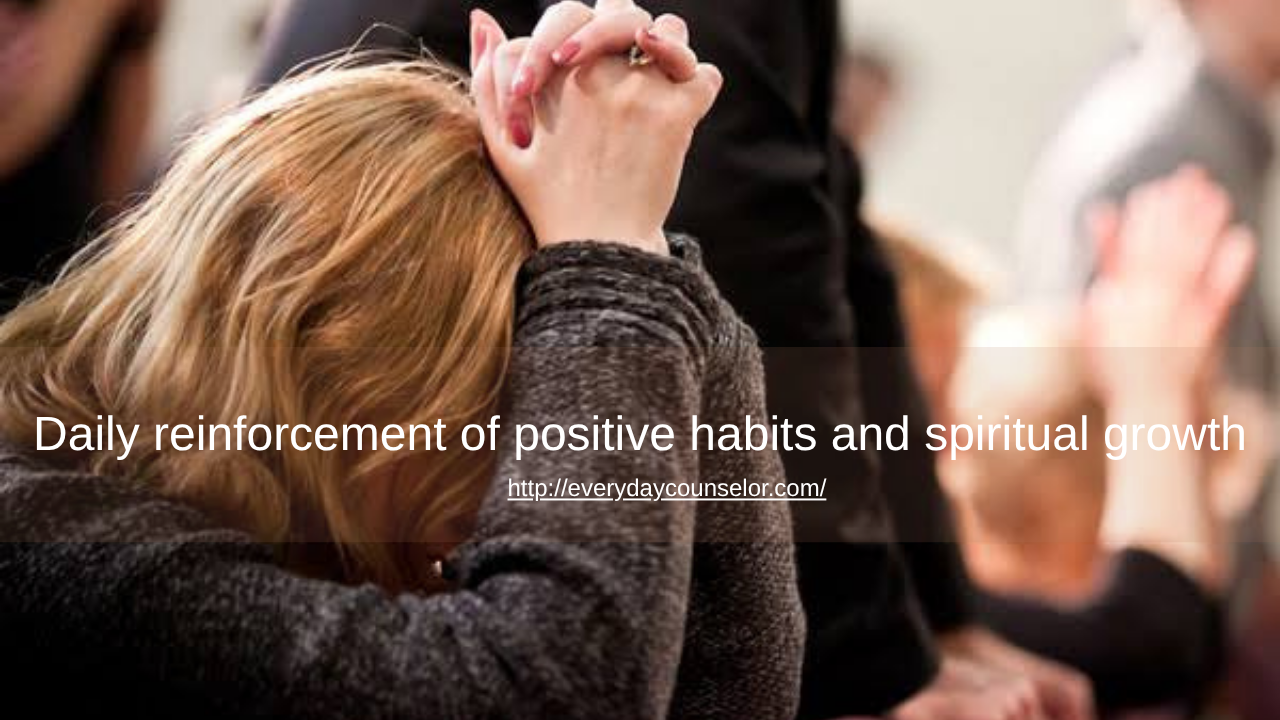
Church support provides something that professional treatment alone may not always offer—daily reinforcement of positive habits and spiritual growth. Whether through morning devotions, community outreach, or mentorship programs, individuals stay connected to a network of care that strengthens their commitment to sobriety.

Many churches also provide structured recovery programs such as Celebrate Recovery, where participants work through their struggles with the help of biblical principles and peer support. This combination of faith and fellowship helps individuals replace harmful patterns with healthier, more meaningful routines.

Integrating Faith with Professional Recovery

Faith-led recovery is most effective when combined with professional addiction and mental health treatment. At Everyday Counselor, we integrate spiritual care with evidence-based approaches such as counseling, inpatient and outpatient programs, and individualized treatment plans.

By addressing emotional, physical, and spiritual needs together, clients experience a balanced path toward healing. This integration empowers individuals to manage triggers, rebuild relationships, and maintain long-term sobriety while deepening their spiritual connection.

Transformation Through Daily Faith

When faith becomes part of daily life, recovery transforms from a struggle into a journey of growth. Individuals learn to view each day as an opportunity to grow closer to God, serve others, and strengthen their resolve. Through ongoing church involvement, they not only maintain sobriety but also discover new purpose and fulfillment.

Walking in Faith Toward Lasting Healing

Addiction recovery requires more than determination—it requires a strong foundation of faith, guidance, and community. Church support offers daily encouragement, accountability, and hope for those seeking lasting transformation. By combining faith-based fellowship with professional treatment, individuals can experience true healing that lasts a lifetime.

At Everyday Counselor, we are here to walk beside you every step of the way. If you or someone you love is ready to begin the journey toward faith-led recovery, reach out today. Together, we can help you find freedom, strength, and lasting peace through God’s healing power.

Church Recovery Ministries: Spiritual Paths Out of Addiction and Despair

Addiction can leave individuals feeling hopeless, lost, and disconnected from their true purpose. The journey toward recovery is not only about breaking free from substance dependence but also about finding meaning, forgiveness, and strength to rebuild a new life. Church recovery ministries have become powerful sources of transformation, helping people reconnect with faith and community while supporting their emotional and physical healing. At Everyday Counselor, we believe that faith-based recovery can open the door to lasting change by restoring hope and purpose through God’s grace and compassion.

Faith as a Foundation for Recovery

Addiction recovery often begins with a decision to seek help, but maintaining that commitment requires more than willpower. Faith gives individuals the spiritual foundation they need to persevere through difficult moments. It teaches that no one is beyond redemption and that every person can experience renewal through God’s love.

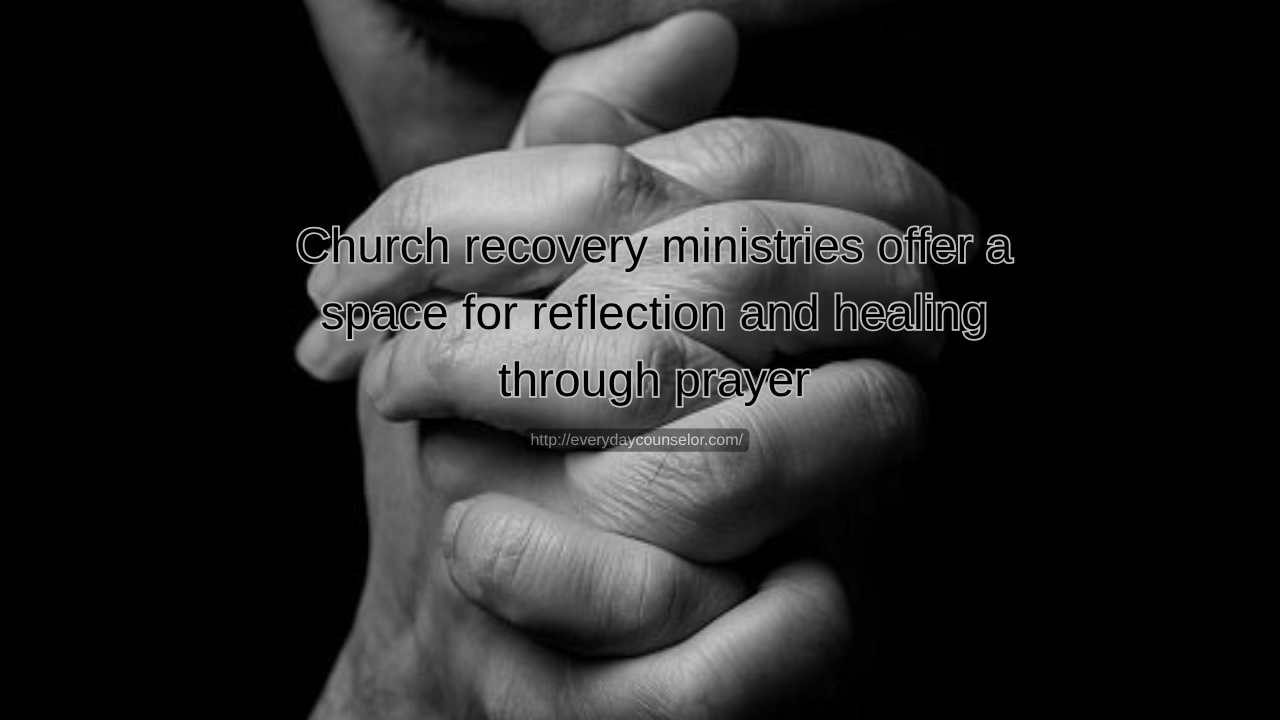
Church recovery ministries offer a space for reflection and healing through prayer, worship, and scripture study. These practices help individuals replace destructive habits with positive spiritual disciplines, promoting peace and clarity. Everyday Counselor incorporates similar faith-based approaches alongside evidence-based treatments, ensuring that both the emotional and spiritual sides of healing are addressed.

Community Support That Strengthens Sobriety

The Role of Fellowship in Recovery

Isolation often fuels addiction. Many who struggle with substance use or mental health challenges feel separated from family, friends, and society. Church recovery ministries help bridge that gap by creating supportive communities where individuals are welcomed without judgment. Fellowship offers more than companionship—it provides accountability, encouragement, and genuine care.

Participants share experiences, celebrate milestones, and offer support through prayer and conversation. This sense of belonging helps individuals rediscover confidence and self-worth, both of which are essential to lasting recovery.

Mentorship and Accountability

Many faith-based recovery programs pair participants with mentors or spiritual advisors who guide them through the process. This personal support adds structure and accountability, helping individuals stay grounded and committed to their goals. At Everyday Counselor, we recognize the importance of this kind of guidance, combining mentorship with professional counseling and therapeutic support to ensure every client receives personalized, holistic care.

Integrating Faith With Professional Treatment

Church recovery ministries provide a spiritual framework, but when combined with professional care, the impact becomes even more powerful. Everyday Counselor integrates faith-based healing with clinical services such as inpatient and outpatient programs, mental health counseling, and individualized recovery plans.

By addressing the physical, emotional, and spiritual aspects of addiction, individuals are better equipped to overcome underlying issues that contribute to substance use. This comprehensive approach creates a pathway to recovery that is both compassionate and effective.

Restoring Purpose Through Service and Healing

As individuals progress in their recovery, many church ministries encourage them to serve others through volunteer work or community outreach. Service is a powerful tool for healing because it shifts focus from personal pain to helping others in need. Giving back reinforces self-worth, builds resilience, and strengthens spiritual growth.

When combined with ongoing counseling and support from Everyday Counselor, this approach helps clients maintain balance and purpose as they move forward in sobriety.

Finding Freedom Through Faith

Addiction may feel like an unending struggle, but faith and community can light the way to recovery. Church recovery ministries remind individuals that healing is not only possible but promised to those who seek it. With the right blend of spiritual guidance and professional care, anyone can find freedom from addiction and rediscover joy in life.

At Everyday Counselor, we are here to walk beside you on that journey. Whether you need faith-based counseling, structured recovery programs, or compassionate support, we are ready to help. Reach out today to begin your path toward healing, renewal, and lasting peace.

Faith and Fellowship: How Church-Based Recovery Groups Support Sobriety

Recovery is not just about breaking free from addiction. It is about rebuilding a life filled with purpose, connection, and faith. Many individuals who have battled addiction find that church-based recovery groups provide a foundation of hope, accountability, and belonging. These programs go beyond traditional treatment by nurturing both the spirit and the mind. At Everyday Counselor, we recognize that lasting sobriety requires more than physical healing. It involves emotional stability, spiritual renewal, and community support.

The Healing Power of Faith in Recovery

Addiction often leaves individuals feeling empty, ashamed, and disconnected from themselves and others. Faith offers a pathway to healing by restoring meaning and purpose. Through prayer, scripture, and spiritual reflection, individuals are reminded that they are not defined by their past but by the potential for renewal within them.

Faith-centered recovery programs focus on forgiveness, surrender, and transformation. By turning to God for strength, people find the courage to face difficult emotions and overcome destructive patterns. Everyday Counselor’s holistic and faith-based approach complements this process by integrating professional counseling and treatment with spiritual growth.

Building Fellowship and Accountability

Finding Strength in Community

Sobriety thrives in connection. Church-based recovery groups create safe, nonjudgmental spaces where individuals can share their struggles and victories with others who understand. Fellowship encourages honesty, compassion, and accountability—key elements for maintaining recovery. When people come together in faith, they experience the healing that comes from belonging to something greater than themselves.

Encouragement That Lasts

Many church groups offer structured programs such as Celebrate Recovery, which blend biblical principles with practical recovery steps. Participants are supported by mentors and peers who walk beside them through the journey. This consistent encouragement helps individuals stay grounded and focused on progress. The shared experience of worship, study, and support becomes a powerful reminder that no one has to recover alone.

Integrating Faith with Professional Care

Faith-based recovery works best when combined with professional addiction treatment. At Everyday Counselor, we believe in addressing the whole person through integrated care. Our programs include mental health treatment, inpatient and outpatient services, and individualized recovery plans. By uniting spiritual encouragement with therapeutic strategies, we help individuals build a balanced and sustainable path to sobriety.

Church groups often play a complementary role in this process. While professional treatment addresses the psychological and physical aspects of addiction, faith communities nurture spiritual growth and emotional resilience. Together, they form a comprehensive system of support.

The Transformative Impact of Fellowship

Fellowship within a faith-based recovery group transforms more than habits—it transforms lives. People who once felt trapped by addiction rediscover hope, dignity, and purpose. They learn to forgive themselves, rebuild relationships, and find joy in serving others. This transformation continues long after formal treatment ends because the bonds formed in faith and fellowship often last a lifetime.

Walking Together Toward Freedom

Addiction recovery is a journey that requires faith, support, and courage. Church-based recovery groups provide a compassionate environment where individuals can heal through prayer, connection, and accountability. When combined with professional guidance and holistic care, faith and fellowship create a powerful foundation for lifelong sobriety.

At Everyday Counselor, we are here to walk with you every step of the way. If you or someone you love is struggling with addiction, do not wait to seek help. Reach out today and discover how faith, community, and personalized care can guide you toward lasting freedom and renewed purpose.

Why Church Support Makes a Difference in Addiction Recovery & Mental Health

Recovery from addiction and mental health struggles is often a long and difficult journey. For many individuals, treatment and therapy provide essential tools for healing, but there is also a deeper need: the search for meaning, belonging, and spiritual renewal. Church support can play a transformative role in this process. By offering faith-based encouragement, community accountability, and compassionate care, churches create a safe environment where individuals can find both hope and healing. At Everyday Counselor, we understand how vital faith and fellowship can be in building a strong foundation for recovery and long-term wellness.

The Connection Between Faith and Healing

Addiction and mental health challenges often leave individuals feeling isolated, ashamed, and disconnected from their sense of purpose. Faith helps to restore hope by reminding people that they are loved, valued, and capable of change. Church support introduces spiritual practices such as prayer, worship, and scripture study, which can reduce stress, foster resilience, and inspire personal growth. For many, reconnecting with faith is the turning point that provides strength when traditional treatments alone are not enough.

Building a Supportive Community

Breaking the Cycle of Isolation

One of the most difficult aspects of addiction and mental illness is the loneliness it creates. Church communities offer a place where individuals can connect with others who care deeply about their recovery. These relationships provide encouragement, accountability, and understanding during difficult times.

Fellowship and Accountability

Church support groups, like Celebrate Recovery or similar programs, provide structured guidance alongside spiritual encouragement. Participants walk alongside one another, celebrating victories and supporting one another through setbacks. This shared journey fosters accountability and creates bonds that help prevent relapse and encourage consistency in recovery.

Complementing Professional Care

Church support is powerful, but it is most effective when combined with professional addiction and mental health treatment. Everyday Counselor integrates faith-based healing with evidence-based therapies such as counseling, inpatient and outpatient care, and individualized treatment plans. This holistic approach ensures that emotional, physical, and spiritual needs are addressed together, providing a stronger and more lasting foundation for recovery.

Practical Ways Churches Help

Churches not only offer spiritual encouragement but also provide practical resources that can support individuals in recovery. These include:

  • Mentorship and one-on-one guidance from leaders and volunteers.

  • Recovery groups and workshops that combine faith with practical coping strategies.

  • Outreach and service opportunities that help individuals rebuild confidence and purpose.

  • Pastoral counseling for those needing faith-informed guidance alongside therapy.

By addressing both spiritual and practical needs, churches create a balanced environment where healing can flourish.

A Path Forward With Hope

Addiction and mental health struggles may feel overwhelming, but recovery is possible with the right combination of professional care and supportive community. Church involvement provides more than encouragement. It offers accountability, hope, and a renewed sense of identity. At Everyday Counselor, we believe in walking alongside individuals with compassion and faith, helping them embrace a life of healing and purpose.

If you or a loved one is battling addiction or mental health challenges, do not walk this road alone. Reach out to Everyday Counselor today and discover how faith, therapy, and supportive community can help you take the next step toward lasting recovery.