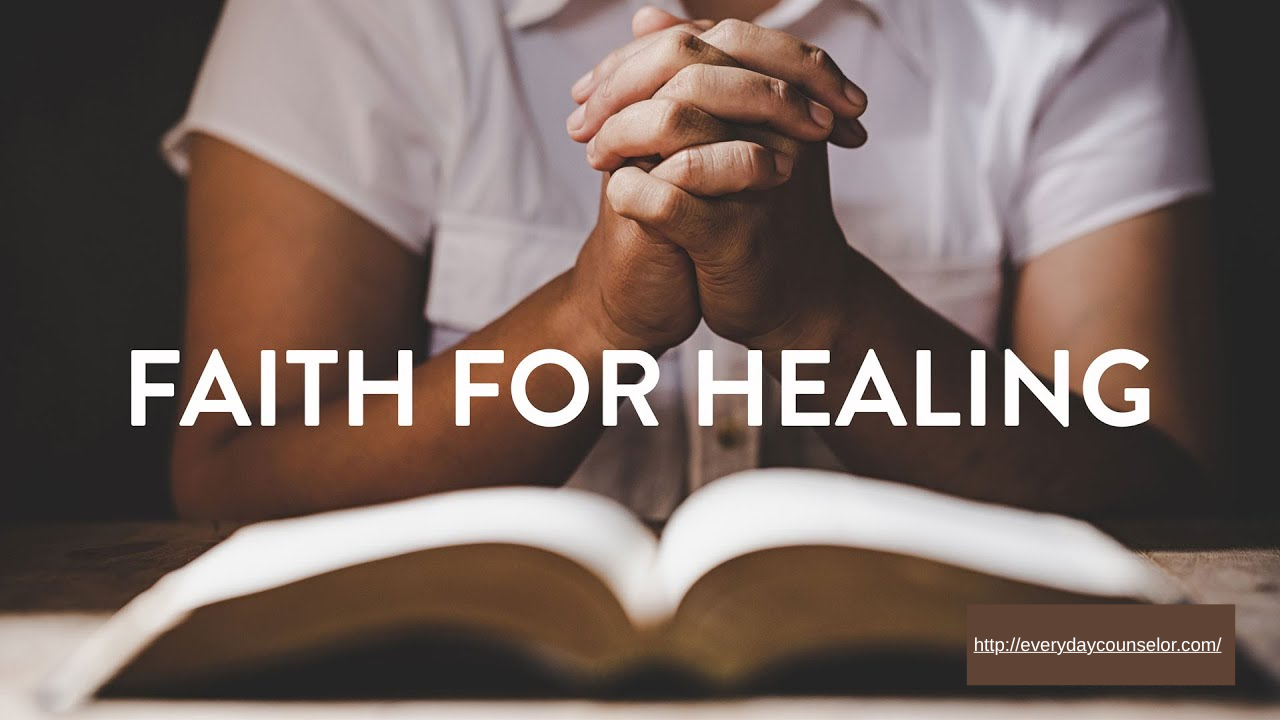
 Addiction recovery is a challenging journey that requires strength, courage, and support. While clinical treatment, counseling, and accountability are vital, many individuals discover that faith plays a crucial role in their healing process. For countless people, Scripture and worship offer the spiritual foundation they need to overcome addiction’s grip and embrace a life of freedom and purpose. Faith-based healing doesn’t just address outward behaviors—it nurtures the heart and soul, providing lasting strength for recovery.
Scripture as a Source of Hope and Direction
One of the most powerful tools in faith-based recovery is God’s Word. Scripture provides encouragement, wisdom, and reassurance during difficult times. When individuals face the temptation to return to harmful habits or feel overwhelmed by guilt and shame, the Bible reminds them of God’s unfailing love and promises.
Passages like Isaiah 40:31 — “But those who hope in the Lord will renew their strength. They will soar on wings like eagles; they will run and not grow weary, they will walk and not be faint.” — encourage perseverance and trust in God’s power. Similarly, 1 Corinthians 10:13 reminds believers that God provides a way out of temptation, offering hope in moments of weakness.
In recovery, Scripture helps reframe a person’s identity. No longer defined by addiction, they are seen as a child of God, forgiven and cherished. This spiritual renewal empowers individuals to leave behind shame and walk confidently toward healing.
The Healing Power of Worship
Worship, whether through song, prayer, or gathering with other believers, plays a vital role in the recovery process. Worship allows individuals to draw close to God, express gratitude, and find peace in His presence. In moments of praise, the focus shifts from personal struggles to God’s greatness and grace.
Singing hymns, contemporary Christian songs, or simply reflecting on God’s goodness helps to uplift the spirit and calm the mind. Music, in particular, has been shown to reduce stress and promote emotional healing. In the context of recovery, worship becomes a powerful tool for restoring hope and joy.
Corporate worship—gathering with others at church or recovery meetings—also reinforces the sense of community. It reminds individuals that they are not alone in their journey. Together, believers can encourage one another, share victories, and bear one another’s burdens, as taught in Galatians 6:2.
Faith-Based Programs That Blend Scripture and Worship
Many churches offer recovery programs like Celebrate Recovery or faith-based 12-step groups, which integrate Scripture and worship into their approach. These programs guide participants through biblical principles of healing, forgiveness, and renewal. Meetings often begin or end with prayer and songs of praise, creating a spiritually rich atmosphere that fosters transformation.
Conclusion
Recovery is not just about breaking free from addiction—it’s about building a new, hope-filled life. Scripture and worship provide spiritual strength, guidance, and comfort that help individuals stay grounded in their recovery journey. By turning to God’s Word and lifting their hearts in praise, those in recovery can find the courage to persevere, the peace to heal, and the joy of a new beginning.